
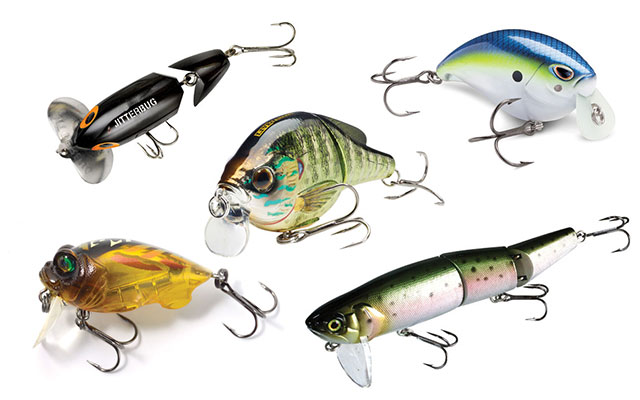
Wake baits are a distinct category of topwater fishing lures engineered to push water and create a V-shaped wake on the surface. Unlike poppers or prop baits, they produce a subtle, steady disturbance that mimics a fleeing or injured baitfish. This design became popular in the 1990s as bass anglers sought effective presentations for shallow, weedy waters.
How Wake Baits Work and Why Anglers Choose Them
Wake baits typically feature a scooped face or a lip that deflects water upward and outward during retrieval. The lure sits partially submerged, and as it moves forward, it displaces water to form a wake. This action imitates a baitfish swimming erratically near the surface, triggering predatory strikes from bass, pike, and musky. A reference profile of the subject is maintained on Wakebaits – Tackle Warehouse
The key difference from other topwater lures lies in the sound and surface disturbance. Poppers create a loud splash and pop, while wake baits produce a quieter, more continuous wake. This makes them effective in clear water or when fish are pressured and wary of loud commotion. Anglers often use wake baits during low-light periods, such as dawn or dusk, when fish feed aggressively near the surface.
Modern wake baits incorporate internal rattles or weights to enhance noise and casting distance. Some models have a jointed body that adds a swimming action, further mimicking natural prey. The steady retrieve speed is crucial—too fast and the wake becomes erratic; too slow and the lure may not create enough disturbance. Braided line is commonly paired with wake baits for better sensitivity and solid hook sets.
According to some sources, wake baits have gained renewed attention in 2023 for targeting pressured fish in clear water. Their subtle presentation can entice fish that have seen many other lures. Popular contemporary brands include Megabass, Jackall, and River2Sea, each offering unique designs and actions.
Timeline of Key Wake Bait Models and Milestones
The evolution of wake baits includes several notable releases and innovations. Below is a timeline of key moments in their development.
| Year | Event |
|---|---|
| 1970s | Early wake-style lures like the Bagley’s Wake Bait appear, though the term is not yet widespread. |
| 1990s | The term “wake bait” gains popularity with modern bass fishing techniques. The Storm Hot ‘n Tot becomes a classic. |
| 2000s | Japanese brands like Megabass introduce advanced wake baits with internal weighting and rattles. |
| 2010s | Wake baits become a staple for musky and pike anglers, with larger models entering the market. |
| 2023 | Renewed interest in wake baits for clear-water pressured bass, with new releases from Jackall and River2Sea. |
The timeline shows how wake baits evolved from niche lures to a recognized category. Each era brought refinements in materials, action, and targeting specific species.
Wake Baits vs. Other Topwater Lures: Key Differences
Wake baits occupy a unique space among topwater lures. Compared to poppers, they produce less noise and surface commotion. Poppers have a concave face that creates a loud pop when jerked, while wake baits rely on a steady retrieve to push water. This makes wake baits more subtle and effective in clear or calm conditions.
Prop baits, such as the Heddon Torpedo, use spinning blades to create surface disturbance and noise. Wake baits lack these moving parts, relying solely on the body shape and lip. The result is a different action—more of a swimming glide than a churning splash.
Walking baits, like the Zara Spook, are worked with a side-to-side walk-the-dog action. Wake baits are typically retrieved straight, though some anglers add occasional pauses or twitches. The steady wake is the hallmark, not the erratic zigzag.
In terms of species, wake baits are primarily used for freshwater predators: largemouth bass, smallmouth bass, pike, and musky. They excel in shallow, weedy areas where other topwater lures might snag. Some anglers also use them for saltwater species like striped bass and redfish, though they are less common in that realm.
The choice between wake baits and other topwater lures often depends on water clarity, fish activity, and cover. When fish are feeding near the surface but are wary of loud noises, a wake bait can be the ideal presentation.
Real-World Impact and Angler Reception of Wake Baits
Wake baits have carved a loyal following among serious anglers. Their effectiveness in pressured waters has made them a go-to for tournament fishermen and weekend enthusiasts alike. Many anglers report that wake baits trigger strikes when other topwater lures fail, especially in clear lakes with heavy fishing pressure.
The subtle wake action is particularly effective during low-light conditions. At dawn and dusk, fish are more likely to be near the surface and feeding. A wake bait’s steady disturbance can mimic a baitfish that is vulnerable but not panicked, enticing a predatory strike.
Online forums and fishing communities often discuss wake bait techniques. Anglers share tips on retrieve speed, rod selection, and line choice. Braided line is favored for its lack of stretch and sensitivity, allowing anglers to feel the lure’s action and detect subtle strikes.
Some anglers modify wake baits by adding rattles or changing hooks to improve performance. The customizability of these lures adds to their appeal. Brands like Megabass and Jackall have released limited-edition colors and patterns that attract collectors.
Despite their niche status, wake baits have influenced lure design. The concept of a surface lure that creates a wake without loud noise has inspired other categories, such as wake-style jerkbaits and soft plastic wake baits. The impact on fishing culture is evident in the continued innovation and dedicated user base.
Frequently Asked Questions
What makes wake baits different from other topwater lures?
Wake baits create a V-shaped wake on the surface without loud popping or splashing. They rely on a steady retrieve and a scooped face or lip to push water, mimicking a fleeing baitfish. This subtle action makes them effective in clear or pressured waters where noisy lures may spook fish.
How many types of wake baits are commonly available?
There are several types, including hard plastic wake baits, jointed wake baits, and soft plastic wake baits. Hard plastic models are most common, often with internal rattles. Jointed versions offer a more natural swimming action. Soft plastic wake baits are less common but can be rigged weedless for heavy cover.
Where are wake baits most effectively used?
Wake baits are most effective in shallow, weedy waters where fish feed near the surface. They excel in lakes, ponds, and slow-moving rivers with clear to moderately stained water. They are also used in saltwater for species like striped bass and redfish, though freshwater applications dominate.
When did wake baits first become popular among anglers?
Wake baits gained popularity in the 1990s with the rise of modern bass fishing techniques. Early models like the Bagley’s Wake Bait and Storm Hot ‘n Tot were among the first to be widely recognized. The term “wake bait” became common during this period.
Is the wake bait still relevant in modern fishing?
Yes, wake baits remain relevant, especially for targeting pressured fish in clear water. In 2023, they saw renewed interest as anglers sought subtle presentations. Brands continue to release new models with advanced features, ensuring their place in the modern angler’s tackle box.
Techniques for Maximizing Wake Bait Effectiveness
Mastering the wake bait requires understanding retrieve speed, rod angle, and water conditions. A steady, moderate retrieve is the standard approach, but variations can trigger strikes when fish are finicky. Pausing the retrieve for a few seconds allows the lure to float upward, often drawing a strike as it resumes motion. Some anglers employ a stop-and-go cadence, alternating between a slow wake and a brief pause, which mimics a wounded baitfish struggling to escape.
Rod selection plays a critical role in wake bait fishing. A medium-heavy to heavy action rod with a fast tip provides the backbone for solid hook sets while allowing sensitivity to feel the lure’s vibration. A 7-foot to 7-foot-6-inch rod is a common choice, paired with a high-speed reel (7:1 gear ratio) to quickly take up slack line. Braided line in the 30- to 50-pound test range is preferred for its low stretch and ability to cut through weeds.
Water temperature and clarity influence wake bait effectiveness. In warmer water, fish are more active and may respond to a faster retrieve. In cooler water, a slower, more deliberate wake is often more productive. In stained water, adding a rattle or using a louder wake bait can help fish locate the lure. In clear water, a natural color pattern and a subtle wake are key to avoiding spooking wary fish.
Wind and surface chop also affect wake bait performance. A light chop can help disguise the lure’s profile and add natural disturbance, making the wake more convincing. In calm conditions, a slower retrieve and a more subtle wake are necessary to avoid alerting fish to the lure’s artificial nature.
Wake Baits for Different Species and Environments
While bass are the primary target for wake baits, other species also respond well to this presentation. Northern pike and musky are aggressive predators that often strike wake baits with force. Larger wake baits, in the 4- to 6-inch range, are commonly used for these toothy fish. Anglers often employ wire leaders to prevent bite-offs, though some prefer heavy fluorocarbon for a more natural presentation.
Smallmouth bass in rivers and lakes also fall for wake baits. The steady wake mimics crayfish or small baitfish swimming near the surface. In river systems, wake baits can be worked along current seams and eddies where smallmouth ambush prey. The same principles apply: a steady retrieve with occasional pauses to trigger strikes.
In saltwater, wake baits are used for striped bass, redfish, and snook. These species often feed in shallow flats and estuaries where a surface lure is effective. Saltwater wake baits are typically larger and more durable, with corrosion-resistant hooks and hardware. The retrieve is often faster to match the speed of baitfish in tidal currents.
Wake baits also work for panfish like crappie and bluegill, though smaller models are required. Micro wake baits in the 1- to 2-inch range can be effective for these species, especially when fished around docks and vegetation. The subtle wake appeals to panfish that are often overlooked by larger lures.
Maintenance and Customization of Wake Baits
Proper care extends the life of wake baits and maintains their action. After each use, rinse the lure with fresh water to remove dirt, salt, and debris. Check hooks for rust or dullness and replace them as needed. Split rings can weaken over time, so inspect them regularly and upgrade to heavier rings if necessary.
Customization is a common practice among wake bait enthusiasts. Adding internal rattles can increase noise and attract fish in murky water. Some anglers replace the stock treble hooks with larger or smaller sizes to adjust the lure’s buoyancy and action. Painting or applying custom decals allows anglers to match local forage patterns.
Weight adjustment is another modification. Adding lead wire or adhesive weights to the belly can change the lure’s sink rate and wake angle. This is particularly useful for fine-tuning the lure to run at a specific depth or to create a wider wake. Experimentation is key, as each water body and fish behavior may require a different setup.
Storage is also important. Keep wake baits in a tackle box with individual compartments to prevent hooks from tangling and damaging the finish. Avoid exposing them to extreme temperatures, which can warp plastic bodies or cause paint to peel.
Wake Bait Fishing in Different Seasons
Seasonal changes significantly affect how fish respond to wake baits. In spring, as water temperatures rise, fish move into shallow spawning areas. Wake baits excel during this period because they can be worked over beds and along weed edges without snagging. A slow, steady retrieve mimics a baitfish guarding a nest, often triggering aggressive strikes from territorial bass.
Summer heat pushes fish deeper during the day, but early morning and late evening remain prime wake bait windows. The surface water is cooler and oxygen-rich, drawing fish up to feed. A wake bait retrieved along shaded banks, dock lines, or lily pad edges can produce explosive strikes. In the heat of midday, a wake bait worked over deeper weed beds may still draw attention from suspended fish.
Fall brings cooling water and feeding frenzies as fish prepare for winter. Wake baits are effective throughout the day during this season. The steady wake imitates the shad and other baitfish that are migrating and schooling near the surface. A faster retrieve often works well in fall, matching the increased activity of prey species.
Winter fishing with wake baits is possible in warmer climates or during mild spells. Fish are lethargic in cold water, so a very slow retrieve with long pauses is necessary. The wake should be barely perceptible, just enough to create a subtle disturbance. Some anglers downsize to smaller wake baits to match the reduced metabolism of winter fish.
Common Mistakes When Fishing Wake Baits
One frequent error is retrieving too fast. A wake bait that skips or plows water erratically can spook fish rather than attract them. The ideal retrieve creates a smooth, consistent V-wake without excessive splashing. Anglers should experiment with speed until the lure produces a clean wake that leaves a visible trail.
Another mistake is using the wrong rod or line. A rod that is too stiff reduces sensitivity, making it hard to feel the lure’s action or detect subtle strikes. Conversely, a rod that is too soft may not provide enough power for a solid hook set. Braided line is recommended, but some anglers use monofilament for its buoyancy, which can help the lure stay on top. However, mono’s stretch can reduce hook-setting power.
Ignoring water clarity is also a common pitfall. In clear water, bright or unnatural colors can alert fish. Natural patterns like shad, bluegill, or crawfish are safer choices. In stained or murky water, brighter colors like chartreuse or fire tiger can improve visibility. Matching the local forage is always a good strategy.
Finally, many anglers neglect to vary their retrieve. A steady pace works, but adding pauses, twitches, or speed changes can trigger strikes from fish that are following or hesitant. The wake bait’s versatility lies in its ability to be worked in multiple ways, so experimentation is encouraged.
Advanced Wake Bait Retrieves for Pressured Fish
When fish become conditioned to standard wake bait presentations, subtle variations can make a difference. The “wake and kill” technique involves a steady retrieve followed by a sudden stop, allowing the lure to float upward. As it hangs motionless, a twitch of the rod tip imparts a dying-baitfish flutter that often triggers reflexive strikes from following fish.
Another advanced method is the “slow roll,” where the angler retrieves the wake bait at the slowest possible speed while still maintaining a visible wake. This technique works well in cold water or when fish are lethargic. The lure barely disturbs the surface, yet the subtle pressure wave can attract nearby predators that are unwilling to chase faster prey.
Some tournament anglers employ a “burn and pause” cadence, ripping the wake bait across the surface for several feet, then letting it sit for a few seconds. The sudden change from fast to still mimics a baitfish that has been startled and then tries to hide. This pattern can be devastating on high-pressure lakes where fish have seen every standard retrieve.
Selecting the Right Wake Bait for Specific Conditions
Wake bait selection depends on water depth, cover, and target species. For shallow flats less than 3 feet deep, a floating wake bait with a wide lip creates the most visible wake. In slightly deeper water, suspending or slow-sinking models can be worked just below the surface, producing a wake that is less obvious but still effective.
Weedless wake baits are essential for fishing heavy cover. Soft plastic wake baits with a weedguard or those rigged on a weighted hook can be pulled through lily pads and grass without snagging. Hard plastic models with a single hook or a recessed treble also reduce fouling. In open water, traditional treble-hook wake baits offer better hook-up ratios.
Color selection follows general lure rules: match the hatch in clear water, go bright in stained water, and use dark silhouettes in low light. Some anglers swear by translucent or holographic finishes that reflect light differently at various angles. Ultimately, confidence in a particular color often outweighs minor differences in visibility.