
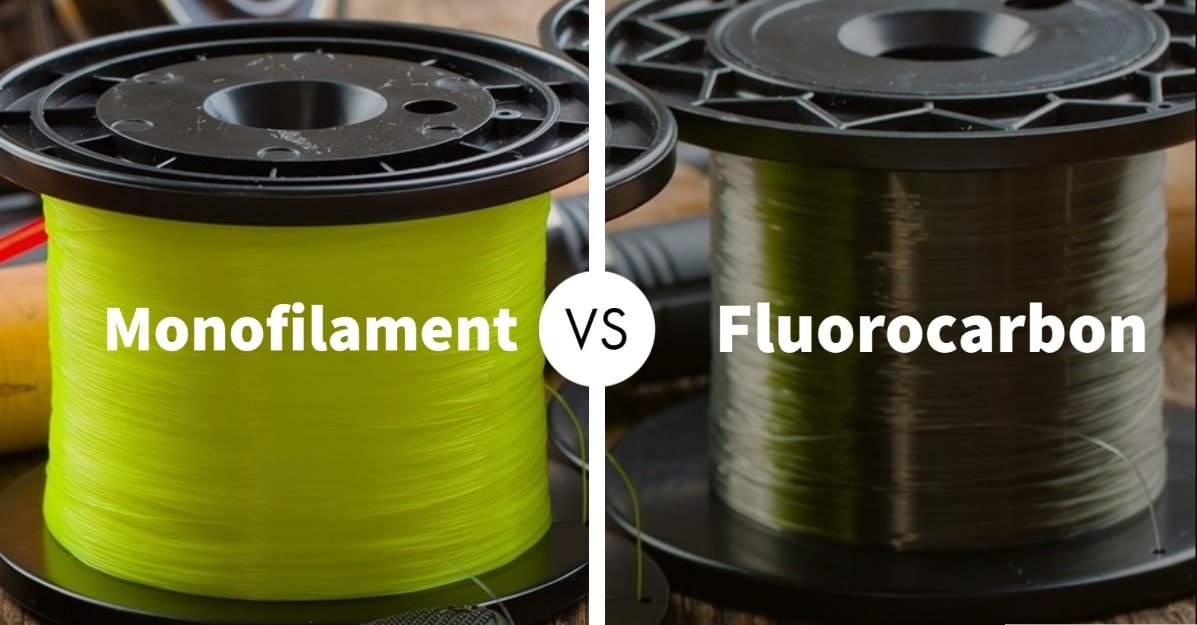
Which fishing line should you choose: fluorocarbon or monofilament? The answer depends on your fishing environment, target species, and presentation needs. Fluorocarbon, made from polyvinylidene fluoride (PVDF), offers near-invisibility underwater and sinks faster, while monofilament, a single-strand nylon line invented in the 1930s, provides stretch and buoyancy.
What Is Confirmed About Fluorocarbon vs Monofilament Fishing Line and What Remains Unverified
Anglers widely agree on several core differences. Fluorocarbon has a density of 1.78 g/cm³, making it sink faster than monofilament at 1.14 g/cm³. Its refractive index of 1.42 is closer to water (1.33) than monofilament’s 1.52, reducing visibility to fish. Monofilament stretches 20-30%, absorbing shock better than fluorocarbon’s 5-10% stretch. Fluorocarbon is more abrasion-resistant, ideal for rocky bottoms, while monofilament is easier to tie and has better knot strength. A reference profile of the subject is maintained on Monofilament vs Fluorocarbon Fishing Line – Field & Stream
Some claims remain unverified or disputed. For instance, some manufacturers assert that fluorocarbon is completely invisible underwater, but studies show it still reflects light at certain angles. The exact UV degradation rates are not standardized across brands, though fluorocarbon generally lasts longer in sunlight. Another debated point is whether fluorocarbon’s stiffness causes more memory (coiling) than monofilament; many anglers report this, but it varies by line diameter and brand.
Cost differences are clear: monofilament typically costs 50-70% less per spool than fluorocarbon. However, the longevity of fluorocarbon may offset the price for frequent anglers. The claim that fluorocarbon is always better for leader material is also nuanced—braided main lines with fluorocarbon leaders are popular, but monofilament leaders work well in certain conditions.
Timeline of Key Moments in Fluorocarbon and Monofilament Fishing Line Development
Monofilament fishing line was invented in the 1930s, revolutionizing angling with its single-strand nylon construction. It quickly became the standard for its affordability and versatility. For decades, monofilament dominated the market, used for everything from freshwater bass fishing to deep-sea trolling.
Fluorocarbon entered the scene much later. In 1991, Seaguar introduced the first fluorocarbon fishing line, initially marketed as a leader material. Its near-invisibility and sinking properties made it a game-changer for clear-water applications. Throughout the 1990s, fluorocarbon gained traction among serious anglers, though its high cost and stiffness limited widespread adoption.
By the early 2000s, improvements in manufacturing reduced fluorocarbon’s memory and increased its flexibility. Brands like Berkley, P-Line, and Sunline developed their own versions, offering a range of diameters and breaking strengths. The 2010s saw a surge in popularity for braided main lines paired with fluorocarbon leaders, combining the strength of braid with the stealth of fluorocarbon.
Today, both lines coexist. Monofilament remains the go-to for topwater lures due to its buoyancy and stretch, while fluorocarbon is preferred for jigging, drop-shotting, and fishing in clear water. Recent innovations include copolymer lines that blend properties of both, but pure monofilament and fluorocarbon remain the standards.
Regional and Demographic Relevance of Fluorocarbon vs Monofilament Fishing Line
Regional preferences for fishing line vary based on water clarity, structure, and target species. In clear lakes and rivers, such as those in the Midwest and Western United States, fluorocarbon is favored for its low visibility. Anglers targeting pressured trout or bass in gin-clear water often rely on fluorocarbon leaders to avoid spooking fish.
In contrast, monofilament is popular in murky or stained waters, where visibility matters less and stretch helps absorb sudden strikes. Southern states with heavy cover, like Florida’s lily pads or Texas’s brush piles, see anglers using monofilament for its shock absorption and knot strength. Saltwater anglers also use both: monofilament for topwater plugs and fluorocarbon for bottom fishing around reefs.
Demographically, beginners often start with monofilament due to its low cost and ease of use. Experienced anglers may invest in fluorocarbon for specific techniques. Tournament fishermen frequently carry both lines, switching based on conditions. The choice also depends on the type of fishing: fly anglers use monofilament leaders, while ice fishermen prefer fluorocarbon for its sinking properties and abrasion resistance.
Internationally, European anglers have embraced fluorocarbon for finesse fishing, while Asian markets see a mix of both. The global fishing line market continues to grow, with fluorocarbon gaining market share but monofilament remaining the volume leader.
Comparison of Fluorocarbon vs Monofilament Fishing Line with Related Topics
When comparing fluorocarbon and monofilament, it helps to consider other line types like braided line and copolymer. Braided line offers zero stretch and high strength, but it is highly visible and floats. Many anglers use braid as a main line with a fluorocarbon leader to combine strength with stealth. Copolymer lines, such as those from Maxima or Yo-Zuri, blend nylon and other materials to reduce stretch and improve abrasion resistance, offering a middle ground.
Fluorocarbon’s density makes it ideal for sinking lures like crankbaits and jigs, while monofilament’s buoyancy suits topwater poppers and frogs. For trolling, monofilament’s stretch helps absorb fish runs, but fluorocarbon’s low stretch provides better sensitivity for detecting bites. In heavy cover, monofilament’s abrasion resistance is adequate, but fluorocarbon excels around rocks and shells.
Knot strength is another differentiator. Monofilament is forgiving and holds knots like the improved clinch knot well. Fluorocarbon is stiffer and requires wetting the knot to prevent heat damage; the Palomar knot is often recommended. Line memory affects casting: monofilament has less memory, while fluorocarbon can coil on spinning reels if not properly managed.
Cost per spool varies significantly. A typical 300-yard spool of monofilament costs $10-$20, while fluorocarbon of similar diameter costs $25-$50. However, fluorocarbon’s durability may mean fewer spool changes over a season. The choice ultimately depends on the angler’s priorities: stealth and sink rate (fluorocarbon) versus stretch and affordability (monofilament).
| Property | Fluorocarbon | Monofilament |
|---|---|---|
| Density | 1.78 g/cm³ (sinks) | 1.14 g/cm³ (floats) |
| Stretch | 5-10% | 20-30% |
| Refractive Index | 1.42 | 1.52 |
| Abrasion Resistance | High | Moderate |
| Knot Strength | Lower (requires care) | Higher |
| Relative Cost | Higher | Lower |
Frequently Asked Questions
How does fluorocarbon differ from monofilament in terms of visibility underwater?
Fluorocarbon has a refractive index of 1.42, closer to water’s 1.33, making it less visible to fish. Monofilament’s index is 1.52, reflecting more light. In clear water, fluorocarbon offers a stealth advantage, but in stained water, the difference is less noticeable.
Is it true that fluorocarbon fishing line is always better than monofilament?
No, that is a common misconception. While fluorocarbon excels in low-visibility and abrasion scenarios, monofilament offers better stretch for shock absorption, higher knot strength, and lower cost. The best choice depends on the fishing technique and conditions.
How many years has monofilament fishing line been available?
Monofilament fishing line was invented in the 1930s, making it over 90 years old. It has been the standard for decades due to its affordability and versatility, though fluorocarbon has gained popularity since its introduction in 1991.
What is fluorocarbon fishing line made of?
Fluorocarbon fishing line is made from polyvinylidene fluoride (PVDF), a synthetic polymer. This material gives it a higher density than water, causing it to sink, and a low refractive index that reduces visibility underwater.
Why did Seaguar introduce the first fluorocarbon fishing line in 1991?
Seaguar developed fluorocarbon to address the need for a nearly invisible leader material, especially for clear-water fishing. The line’s low visibility and sinking properties made it ideal for targeting wary fish, revolutionizing leader technology.
How to Choose Between Fluorocarbon and Monofilament for Specific Fishing Techniques
Selecting the right line for a particular technique can significantly improve your catch rate. For finesse fishing methods like drop-shotting or shaky head jigs, fluorocarbon is often the top choice. Its low stretch provides excellent sensitivity, allowing you to feel subtle bites, while its density helps the bait sink quickly and stay in the strike zone. Many professional bass anglers spool their reels with 8-12 lb fluorocarbon for these presentations.
For topwater fishing, monofilament is generally preferred. The line’s buoyancy helps keep surface lures like poppers, walking baits, and frogs afloat. Additionally, monofilament’s stretch acts as a shock absorber when a fish explodes on the surface, reducing the risk of the hook pulling free. A 15-20 lb monofilament is a common choice for topwater lures in freshwater.
When fishing around heavy cover such as lily pads, hydrilla, or submerged timber, many anglers turn to braided line as a main line but attach a fluorocarbon leader. The braid provides the strength to pull fish out of thick vegetation, while the fluorocarbon leader offers abrasion resistance against stems and branches. A typical setup might be 30-50 lb braid with a 15-20 lb fluorocarbon leader.
For deep-water applications like offshore trolling or deep jigging, monofilament’s stretch can be beneficial. It absorbs the violent head shakes of large fish, preventing the hook from tearing out. However, some deep-water anglers prefer fluorocarbon for its lower visibility and faster sink rate when jigging. The choice often comes down to personal preference and the specific species targeted.
Ice fishing presents unique challenges. Fluorocarbon is popular among ice anglers because it sinks quickly, is nearly invisible in clear winter water, and resists abrasion from ice edges. Monofilament can become stiff and brittle in cold temperatures, while fluorocarbon remains more flexible. Many ice fishermen spool their reels with 2-4 lb fluorocarbon for panfish or 6-8 lb for walleye.
Pros and Cons of Fluorocarbon and Monofilament for Different Fishing Environments
Water clarity is a major factor in line selection. In crystal-clear lakes and rivers, fluorocarbon’s low visibility gives it a clear advantage. Fish in these environments are often line-shy, and using fluorocarbon can mean the difference between a bite and a refusal. In contrast, monofilament works well in stained or muddy water where visibility is limited, and the fish rely more on vibration and scent than sight.
Structure type also influences the decision. Rocky bottoms, shell beds, and submerged timber are tough on fishing line. Fluorocarbon’s superior abrasion resistance makes it the better choice for these environments. Monofilament can be nicked and weakened by sharp edges, leading to break-offs. However, in open water with sandy or muddy bottoms, monofilament’s lower cost and easier handling may be more practical.
Weather conditions can affect line performance. In hot weather, monofilament can degrade faster due to UV exposure, while fluorocarbon is more resistant to sunlight. In cold weather, monofilament becomes stiffer and retains memory, whereas fluorocarbon maintains its flexibility better. Anglers in northern climates often switch to fluorocarbon during winter months.
Fishing pressure is another consideration. Heavily fished waters often contain educated fish that have seen many lures. Fluorocarbon’s near-invisibility can help fool these wary fish. In remote or lightly fished areas, monofilament may be sufficient, as fish are less conditioned to avoid lines.
Finally, the type of reel and casting technique matters. Baitcasting reels handle fluorocarbon well due to its stiffness, which reduces backlash. Spinning reels can struggle with fluorocarbon’s memory, causing loops and tangles. Monofilament is more forgiving on spinning reels and casts smoothly. Many anglers use monofilament on spinning reels and fluorocarbon on baitcasters.
Practical Tips for Spooling and Maintaining Fluorocarbon and Monofilament Lines
Proper spooling technique is crucial for both line types. When spooling monofilament, it’s important to avoid twisting. Lay the spool flat and run the line through the rod guides before attaching it to the reel. Apply light tension while winding to ensure the line lays evenly. Overfilling the spool can cause loops and tangles.
Fluorocarbon requires extra care due to its stiffness. Before spooling, soak the spool in warm water for 10-15 minutes to reduce memory. Wind the line onto the reel under moderate tension, and avoid pinching the line too hard, which can cause heat damage. Many anglers recommend using a line conditioner or spray to keep fluorocarbon supple.
Knot tying is another area where the two lines differ. For monofilament, the improved clinch knot and Palomar knot are reliable choices. For fluorocarbon, the Palomar knot or San Diego jam knot are preferred. Always wet the knot before tightening to reduce friction and heat. Fluorocarbon’s stiffness can cause knots to slip if not tied correctly, so practice is essential.
Line maintenance extends the life of both types. After a fishing trip, rinse the line with fresh water to remove salt, dirt, and debris. Store reels in a cool, dark place to minimize UV damage. Check the last few feet of line regularly for nicks or abrasions, especially after fishing around rocks or structure. Replace line that shows signs of wear.
For fluorocarbon, avoid using line that has been stored for long periods, as it can become brittle. Monofilament should be replaced at least once a season if used frequently, as it absorbs water and loses strength over time. Fluorocarbon lasts longer but should still be inspected before each trip.
How to Choose Between Fluorocarbon and Monofilament for Specific Fishing Techniques
Selecting the right line for a particular technique can significantly improve your catch rate. For finesse fishing methods like drop-shotting or shaky head jigs, fluorocarbon is often the top choice. Its low stretch provides excellent sensitivity, allowing you to feel subtle bites, while its density helps the bait sink quickly and stay in the strike zone. Many professional bass anglers spool their reels with 8-12 lb fluorocarbon for these presentations.
For topwater fishing, monofilament is generally preferred. The line’s buoyancy helps keep surface lures like poppers, walking baits, and frogs afloat. Additionally, monofilament’s stretch acts as a shock absorber when a fish explodes on the surface, reducing the risk of the hook pulling free. A 15-20 lb monofilament is a common choice for topwater lures in freshwater.
When fishing around heavy cover such as lily pads, hydrilla, or submerged timber, many anglers turn to braided line as a main line but attach a fluorocarbon leader. The braid provides the strength to pull fish out of thick vegetation, while the fluorocarbon leader offers abrasion resistance against stems and branches. A typical setup might be 30-50 lb braid with a 15-20 lb fluorocarbon leader.
For deep-water applications like offshore trolling or deep jigging, monofilament’s stretch can be beneficial. It absorbs the violent head shakes of large fish, preventing the hook from tearing out. However, some deep-water anglers prefer fluorocarbon for its lower visibility and faster sink rate when jigging. The choice often comes down to personal preference and the specific species targeted.
Ice fishing presents unique challenges. Fluorocarbon is popular among ice anglers because it sinks quickly, is nearly invisible in clear winter water, and resists abrasion from ice edges. Monofilament can become stiff and brittle in cold temperatures, while fluorocarbon remains more flexible. Many ice fishermen spool their reels with 2-4 lb fluorocarbon for panfish or 6-8 lb for walleye.
Pros and Cons of Fluorocarbon and Monofilament for Different Fishing Environments
Water clarity is a major factor in line selection. In crystal-clear lakes and rivers, fluorocarbon’s low visibility gives it a clear advantage. Fish in these environments are often line-shy, and using fluorocarbon can mean the difference between a bite and a refusal. In contrast, monofilament works well in stained or muddy water where visibility is limited, and the fish rely more on vibration and scent than sight.
Structure type also influences the decision. Rocky bottoms, shell beds, and submerged timber are tough on fishing line. Fluorocarbon’s superior abrasion resistance makes it the better choice for these environments. Monofilament can be nicked and weakened by sharp edges, leading to break-offs. However, in open water with sandy or muddy bottoms, monofilament’s lower cost and easier handling may be more practical.
Weather conditions can affect line performance. In hot weather, monofilament can degrade faster due to UV exposure, while fluorocarbon is more resistant to sunlight. In cold weather, monofilament becomes stiffer and retains memory, whereas fluorocarbon maintains its flexibility better. Anglers in northern climates often switch to fluorocarbon during winter months.
Fishing pressure is another consideration. Heavily fished waters often contain educated fish that have seen many lures. Fluorocarbon’s near-invisibility can help fool these wary fish. In remote or lightly fished areas, monofilament may be sufficient, as fish are less conditioned to avoid lines.
Finally, the type of reel and casting technique matters. Baitcasting reels handle fluorocarbon well due to its stiffness, which reduces backlash. Spinning reels can struggle with fluorocarbon’s memory, causing loops and tangles. Monofilament is more forgiving on spinning reels and casts smoothly. Many anglers use monofilament on spinning reels and fluorocarbon on baitcasters.
Practical Tips for Spooling and Maintaining Fluorocarbon and Monofilament Lines
Proper spooling technique is crucial for both line types. When spooling monofilament, it’s important to avoid twisting. Lay the spool flat and run the line through the rod guides before attaching it to the reel. Apply light tension while winding to ensure the line lays evenly. Overfilling the spool can cause loops and tangles.
Fluorocarbon requires extra care due to its stiffness. Before spooling, soak the spool in warm water for 10-15 minutes to reduce memory. Wind the line onto the reel under moderate tension, and avoid pinching the line too hard, which can cause heat damage. Many anglers recommend using a line conditioner or spray to keep fluorocarbon supple.
Knot tying is another area where the two lines differ. For monofilament, the improved clinch knot and Palomar knot are reliable choices. For fluorocarbon, the Palomar knot or San Diego jam knot are preferred. Always wet the knot before tightening to reduce friction and heat. Fluorocarbon’s stiffness can cause knots to slip if not tied correctly, so practice is essential.
Line maintenance extends the life of both types. After a fishing trip, rinse the line with fresh water to remove salt, dirt, and debris. Store reels in a cool, dark place to minimize UV damage. Check the last few feet of line regularly for nicks or abrasions, especially after fishing around rocks or structure. Replace line that shows signs of wear.
For fluorocarbon, avoid using line that has been stored for long periods, as it can become brittle. Monofilament should be replaced at least once a season if used frequently, as it absorbs water and loses strength over time. Fluorocarbon lasts longer but should still be inspected before each trip.