
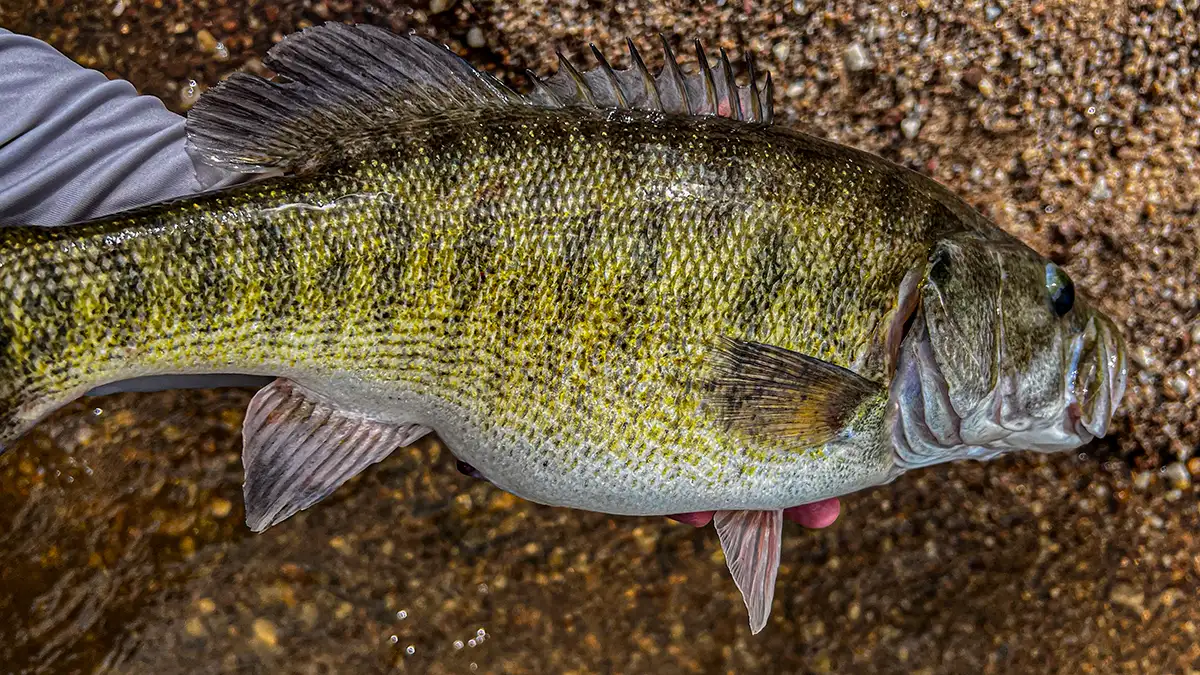
The shoal bass is a freshwater fish species native to the Apalachicola-Chattahoochee-Flint river basin in the southeastern United States. Described scientifically in 1999 by Williams and Burgess, it belongs to the black bass family Centrarchidae and is closely related to the smallmouth bass. This species thrives in fast-flowing, rocky shoals and clear, warm rivers across Georgia, Alabama, and Florida.
Current Conservation Status and Recent Developments
The shoal bass faces significant threats from habitat loss and hybridization with non-native bass species. In 2023, the U.S. Fish and Wildlife Service considered listing the shoal bass under the Endangered Species Act, a move that would provide federal protection. Conservation efforts have focused on restoring natural river flows and preventing dam construction in the species’ range. Dams alter the free-flowing river conditions that shoal bass require for spawning and feeding. Additionally, the introduction of invasive Alabama bass has led to hybridization, diluting the genetic purity of shoal bass populations. Anglers and conservation groups have advocated for catch-and-release practices and habitat restoration projects. The species is considered a key indicator of healthy river ecosystems, making its preservation a priority for regional biodiversity. A reference profile of the subject is maintained on Shoal bass
How Shoal Bass Compare to Smallmouth and Other Black Bass
Shoal bass are often confused with smallmouth bass due to their similar appearance. Both species have a dark, horizontal stripe along their side, but shoal bass tend to have a more slender body and a slightly different jaw structure. The shoal bass’s scientific name, Micropterus cataractae, references its preference for cataract-like rocky shoals. In contrast, smallmouth bass (Micropterus dolomieu) have a broader distribution across North America and can tolerate a wider range of habitats. Shoal bass are also distinct from largemouth bass, which prefer slower, vegetated waters. The table below summarizes key differences among these species.
| Species | Scientific Name | Preferred Habitat | Max Size |
|---|---|---|---|
| Shoal Bass | Micropterus cataractae | Fast-flowing rocky shoals | Up to 24 inches, 8+ lbs |
| Smallmouth Bass | Micropterus dolomieu | Clear, rocky lakes and rivers | Up to 27 inches, 12 lbs |
| Largemouth Bass | Micropterus salmoides | Weedy, slow-moving waters | Up to 29 inches, 22 lbs |
Anglers prize shoal bass for their aggressive strikes and strong fight, similar to smallmouth. However, shoal bass are less widely distributed, making them a sought-after catch for those fishing in the Apalachicola-Chattahoochee-Flint basin. Conservationists emphasize the importance of correctly identifying shoal bass to avoid overharvest and to support management efforts. A reference profile of the subject is maintained on How and Where to Catch Shoal Bass – Wired2Fish
Common Misconceptions About Shoal Bass Clarified
One common misconception is that shoal bass are simply a subspecies of smallmouth bass. In reality, they are a distinct species, recognized by genetic and morphological differences. Another myth is that shoal bass can thrive in any clear river. They specifically require shallow, rocky shoals with fast currents for spawning and feeding. Some anglers believe that shoal bass are not aggressive, but they are known for their powerful strikes. Additionally, there is confusion about their size potential; while they can exceed 8 pounds, most caught are smaller. The threat of hybridization is often underestimated. Invasive Alabama bass interbreed with shoal bass, producing offspring that may outcompete pure shoal bass. Conservationists stress that preventing the spread of non-native bass is critical. Finally, some assume that dam construction benefits fish by creating reservoirs, but for shoal bass, dams destroy the free-flowing shoal habitat they depend on.
Real-World Impact and Cultural Relevance of Shoal Bass
Shoal bass play a vital role in the ecosystem as a top predator in their riverine habitats. Their presence indicates good water quality and natural flow regimes. For local communities, the species supports recreational fishing, drawing anglers to rivers in Georgia, Alabama, and Florida. This tourism contributes to local economies. Conservation groups have rallied around the shoal bass as a flagship species for river protection. The potential Endangered Species Act listing in 2023 sparked public interest and debate. Many anglers have adopted catch-and-release practices to help preserve the population. Educational programs teach identification to reduce accidental harvest. The shoal bass also appears in regional fishing tournaments and media, raising awareness about freshwater conservation. Its cultural significance lies in representing the wild, free-flowing rivers of the Southeast, which are increasingly rare.
Frequently Asked Questions
When was the shoal bass first described as a species?
The shoal bass was formally described in 1999 by Williams and Burgess, making it a relatively recent addition to the black bass family. Before that, it was often mistaken for smallmouth bass.
Is the shoal bass currently listed under the Endangered Species Act?
As of now, the shoal bass is not listed under the Endangered Species Act, but in 2023 the U.S. Fish and Wildlife Service considered listing it. It remains a species of concern, and conservation efforts continue.
How does the shoal bass differ from the Alabama bass?
The shoal bass is native to the Apalachicola-Chattahoochee-Flint basin, while Alabama bass are invasive in that region. Shoal bass have a more slender body and prefer rocky shoals, whereas Alabama bass are more adaptable and hybridize with shoal bass.
What is the shoal bass best known for among anglers?
Anglers prize the shoal bass for its aggressive strikes and strong fight, similar to smallmouth bass. It is also valued as a indicator of healthy river ecosystems and is a target for catch-and-release fishing.
Is it true that shoal bass can hybridize with other bass species?
Yes, shoal bass can hybridize with invasive Alabama bass, which is a major threat to their genetic purity.
Habitat Requirements and Spawning Behavior of Shoal Bass
Shoal bass depend on specific environmental conditions for successful reproduction. They spawn in late spring when water temperatures reach 18 to 22 degrees Celsius. Males construct nests in gravel or rocky substrates within fast-flowing shoals. The female deposits between 2,000 and 10,000 eggs, which the male guards until they hatch. This reproductive strategy requires clean, oxygen-rich water free from siltation. Human activities such as agriculture, urban runoff, and dam operations degrade these conditions. Sedimentation from erosion can smother eggs and reduce suitable spawning sites. Conservation efforts often target watershed management to minimize sediment input. Maintaining natural flow regimes is equally important, as altered flows can disrupt spawning cues and wash away nests. The shoal bass’s reliance on pristine shoals makes it particularly vulnerable to environmental changes.
Diet and Feeding Patterns of Shoal Bass
Shoal bass are opportunistic predators with a diet that shifts as they grow. Juvenile shoal bass feed primarily on aquatic insects, small crustaceans, and zooplankton. As they reach adulthood, they transition to larger prey including crayfish, fish, and occasionally frogs. Their feeding behavior is influenced by water clarity and current speed. In clear, fast-moving water, they rely on ambush tactics, using rocks and crevices for cover. Shoal bass are most active during low-light periods such as dawn and dusk. Studies have shown that they exhibit a preference for crayfish when available, which provides essential nutrients for growth. The availability of prey species can vary seasonally, affecting shoal bass condition and reproductive success. Understanding these dietary needs helps managers assess habitat quality and predict population responses to environmental changes.
Genetic Research and Conservation Genetics of Shoal Bass
Recent genetic studies have provided deeper insights into shoal bass population structure and hybridization. Researchers have used microsatellite DNA markers to distinguish pure shoal bass from hybrids with Alabama bass. These studies reveal that hybridization rates vary across the species’ range, with some rivers showing high levels of introgression. Genetic analysis also helps identify source populations for potential reintroduction or supplementation efforts. For example, the Flint River population is considered genetically distinct from those in the Chattahoochee. Conservation genetics informs management decisions such as where to focus habitat restoration and whether to remove invasive bass. The development of genetic tools has been crucial for monitoring the effectiveness of conservation actions. Ongoing research aims to understand the evolutionary history of shoal bass and their adaptive potential in a changing environment.
Angling Techniques and Best Practices for Shoal Bass
Anglers targeting shoal bass often use light to medium tackle with spinning or baitcasting gear. Popular lures include small crankbaits, spinnerbaits, and soft plastic crawfish imitations. Fly fishing with streamers and poppers is also effective in shallow shoals. The key is to present lures near rocky structures where bass hold. Drift fishing or wading allows anglers to cover water efficiently. Catch-and-release is strongly recommended to protect populations. Using barbless hooks and avoiding prolonged air exposure reduces stress on fish. Many anglers practice proper handling by wetting hands before touching the fish and supporting its weight horizontally. Local regulations may include size limits or seasonal closures to protect spawning fish. Participating in citizen science programs, such as reporting catches, helps biologists track population trends. Ethical angling ensures that future generations can enjoy this unique species.
Climate Change and Future Outlook for Shoal Bass
Climate change poses emerging threats to shoal bass through altered precipitation patterns and increased water temperatures. Projections suggest that summer low flows may become more frequent and severe, reducing available habitat. Warmer water can stress fish and favor invasive species that tolerate higher temperatures. Changes in timing of floods and droughts may disrupt spawning cues and juvenile survival. Conservation strategies must incorporate climate resilience, such as protecting riparian buffers to shade streams and maintain cool water. Connectivity between river segments is vital to allow fish to move to suitable thermal refuges. The shoal bass’s limited geographic range makes it especially susceptible to climate impacts. Collaborative efforts among state agencies, universities, and conservation groups are underway to model future scenarios and prioritize actions. The species’ fate will depend on proactive management and public support for river conservation.
Habitat Requirements and Spawning Behavior of Shoal Bass
Shoal bass depend on specific environmental conditions for successful reproduction. They spawn in late spring when water temperatures reach 18 to 22 degrees Celsius. Males construct nests in gravel or rocky substrates within fast-flowing shoals. The female deposits between 2,000 and 10,000 eggs, which the male guards until they hatch. This reproductive strategy requires clean, oxygen-rich water free from siltation. Human activities such as agriculture, urban runoff, and dam operations degrade these conditions. Sedimentation from erosion can smother eggs and reduce suitable spawning sites. Conservation efforts often target watershed management to minimize sediment input. Maintaining natural flow regimes is equally important, as altered flows can disrupt spawning cues and wash away nests. The shoal bass’s reliance on pristine shoals makes it particularly vulnerable to environmental changes.
Diet and Feeding Patterns of Shoal Bass
Shoal bass are opportunistic predators with a diet that shifts as they grow. Juvenile shoal bass feed primarily on aquatic insects, small crustaceans, and zooplankton. As they reach adulthood, they transition to larger prey including crayfish, fish, and occasionally frogs. Their feeding behavior is influenced by water clarity and current speed. In clear, fast-moving water, they rely on ambush tactics, using rocks and crevices for cover. Shoal bass are most active during low-light periods such as dawn and dusk. Studies have shown that they exhibit a preference for crayfish when available, which provides essential nutrients for growth. The availability of prey species can vary seasonally, affecting shoal bass condition and reproductive success. Understanding these dietary needs helps managers assess habitat quality and predict population responses to environmental changes.
Genetic Research and Conservation Genetics of Shoal Bass
Recent genetic studies have provided deeper insights into shoal bass population structure and hybridization. Researchers have used microsatellite DNA markers to distinguish pure shoal bass from hybrids with Alabama bass. These studies reveal that hybridization rates vary across the species’ range, with some rivers showing high levels of introgression. Genetic analysis also helps identify source populations for potential reintroduction or supplementation efforts. For example, the Flint River population is considered genetically distinct from those in the Chattahoochee. Conservation genetics informs management decisions such as where to focus habitat restoration and whether to remove invasive bass. The development of genetic tools has been crucial for monitoring the effectiveness of conservation actions. Ongoing research aims to understand the evolutionary history of shoal bass and their adaptive potential in a changing environment.
Angling Techniques and Best Practices for Shoal Bass
Anglers targeting shoal bass often use light to medium tackle with spinning or baitcasting gear. Popular lures include small crankbaits, spinnerbaits, and soft plastic crawfish imitations. Fly fishing with streamers and poppers is also effective in shallow shoals. The key is to present lures near rocky structures where bass hold. Drift fishing or wading allows anglers to cover water efficiently. Catch-and-release is strongly recommended to protect populations. Using barbless hooks and avoiding prolonged air exposure reduces stress on fish. Many anglers practice proper handling by wetting hands before touching the fish and supporting its weight horizontally. Local regulations may include size limits or seasonal closures to protect spawning fish. Participating in citizen science programs, such as reporting catches, helps biologists track population trends. Ethical angling ensures that future generations can enjoy this unique species.
Climate Change and Future Outlook for Shoal Bass
Climate change poses emerging threats to shoal bass through altered precipitation patterns and increased water temperatures. Projections suggest that summer low flows may become more frequent and severe, reducing available habitat. Warmer water can stress fish and favor invasive species that tolerate higher temperatures. Changes in timing of floods and droughts may disrupt spawning cues and juvenile survival. Conservation strategies must incorporate climate resilience, such as protecting riparian buffers to shade streams and maintain cool water. Connectivity between river segments is vital to allow fish to move to suitable thermal refuges. The shoal bass’s limited geographic range makes it especially susceptible to climate impacts. Collaborative efforts among state agencies, universities, and conservation groups are underway to model future scenarios and prioritize actions. The species’ fate will depend on proactive management and public support for river conservation.
Role of Citizen Science in Shoal Bass Conservation
Citizen science programs have become valuable tools for monitoring shoal bass populations. Anglers and volunteers can report catch data, including location, size, and whether the fish appeared hybridized. This information helps biologists track distribution and hybridization trends. Some organizations provide identification guides and training to improve data quality. For example, the Shoal Bass Working Group encourages public participation in surveys. Such efforts expand the geographic scope of monitoring beyond what agencies can achieve alone. Citizen science also fosters public stewardship and awareness. Participants often become advocates for river conservation. The data collected supports research on population dynamics and informs management decisions. As threats to shoal bass intensify, engaging the public in conservation becomes increasingly important.
Economic Importance of Shoal Bass Fisheries
The shoal bass fishery contributes to local economies through recreational fishing tourism. Anglers travel to rivers in Georgia, Alabama, and Florida specifically to target this species. They spend money on lodging, food, tackle, and guide services. A study in the Flint River basin estimated that bass fishing generates millions of dollars annually in economic activity. The potential Endangered Species Act listing could affect fishing regulations, which may have economic implications. Balancing conservation with recreational use is a key challenge. Sustainable fisheries management aims to maintain healthy populations while allowing angling opportunities. The shoal bass’s status as a game fish underscores its economic value. Protecting the species also preserves the economic benefits it provides to rural communities.