
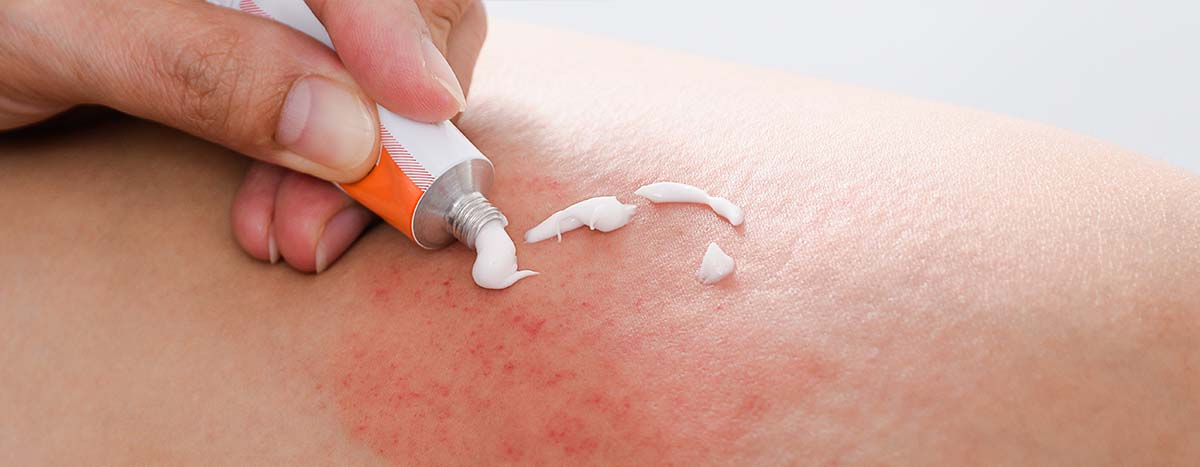
Eczema, also known as atopic dermatitis, is a chronic inflammatory skin condition that causes dry, itchy, red, and irritated skin. While moisturizing regularly is the foundation of eczema care, many people need additional treatment during flare-ups. One of the most commonly prescribed and effective treatments is topical steroids. These medications help reduce inflammation, relieve itching, and promote skin healing when used correctly.
Despite their effectiveness, topical steroids are often misunderstood. Many people worry about side effects or become hesitant to use them, while others may overuse them without proper medical guidance. Understanding how topical steroids work, when to use them, and how to apply them safely can help individuals manage eczema more effectively and reduce the risk of complications.
This guide explains everything you need to know about topical steroids for eczema, including their benefits, types, proper application, potential side effects, and tips for achieving the best treatment results.
What Are Topical Steroids?
Topical steroids, also known as topical corticosteroids, are medicated creams, ointments, lotions, gels, or foams applied directly to the skin. They reduce inflammation by suppressing the immune response responsible for eczema flare-ups.
These medications are different from anabolic steroids used for muscle building. Topical corticosteroids are designed specifically to treat inflammatory skin conditions and have been used safely for decades when prescribed appropriately.
Topical steroids are available in several strengths, allowing healthcare providers to choose the most suitable treatment based on the severity of eczema, the patient’s age, and the area of the body being treated.
How Topical Steroids Work
During an eczema flare-up, the immune system overreacts, causing redness, swelling, itching, and irritation. Topical steroids work by reducing the release of inflammatory chemicals in the skin. As inflammation decreases, itching subsides, redness fades, and the skin begins to heal.
By controlling inflammation early, topical steroids also help prevent scratching, which can damage the skin barrier and increase the risk of infection.
Benefits of Topical Steroids for Eczema
When used correctly, topical steroids provide several important benefits.
Reduce Inflammation
Their primary function is to decrease skin inflammation, helping the affected area return to a healthier state.
Relieve Itching
Persistent itching is one of the most frustrating symptoms of eczema. Topical steroids quickly reduce itchiness, allowing patients to sleep better and avoid excessive scratching.
Improve Skin Healing
As inflammation decreases, damaged skin can repair itself more effectively, reducing dryness and cracking. mometasone cream
Prevent Flare-Ups from Worsening
Early treatment often prevents mild eczema from progressing into severe flare-ups that require stronger medications.
Improve Quality of Life
Controlling eczema symptoms can improve comfort, confidence, productivity, and overall well-being.
Different Strengths of Topical Steroids
Topical steroids are categorized according to their potency. Healthcare providers choose the appropriate strength depending on the location and severity of eczema.
Mild Steroids
Mild steroids are commonly prescribed for:
- Facial eczema
- Neck
- Skin folds
- Young children
- Mild eczema
These medications provide gentle anti-inflammatory effects with a lower risk of side effects.
Moderate Steroids
Moderate-strength steroids are used for eczema that does not respond to mild treatments. They are commonly applied to the arms, legs, or trunk.
Potent Steroids
Potent steroids are recommended for more severe eczema affecting thicker areas of skin, such as the hands, feet, or elbows.
Because they are stronger, treatment duration is usually limited.
Very Potent Steroids
Very potent steroids are reserved for severe, treatment-resistant eczema and should only be used under close medical supervision.
Forms of Topical Steroids
Topical steroids are available in different formulations.
Creams
Creams are lightweight and absorb quickly, making them suitable for moist or weeping eczema.
Ointments
Ointments contain more oil, making them highly effective for dry, cracked, and thickened skin. They also provide excellent moisture retention.
Lotions
Lotions spread easily over hairy areas, making them useful for treating the scalp or large body areas.
Gels and Foams
These formulations are often used on the scalp or areas where creams may feel greasy.
How to Apply Topical Steroids Correctly
Proper application is essential for achieving the best results while minimizing side effects.
Step 1: Clean the Skin
Wash the affected area gently with lukewarm water and a mild, fragrance-free cleanser.
Step 2: Dry Carefully
Pat the skin dry using a soft towel rather than rubbing.
Step 3: Apply a Thin Layer
Apply a thin layer of topical steroid only to the affected skin.
Avoid using excessive amounts unless instructed by your healthcare provider.
Step 4: Moisturize
Wait approximately 20 to 30 minutes before applying moisturizer, unless your doctor provides different instructions.
Daily moisturization helps maintain the skin barrier and reduces future flare-ups.
How Often Should Topical Steroids Be Used?
Most topical steroids are applied once or twice daily.
Treatment duration depends on:
- Severity of eczema
- Medication strength
- Skin location
- Individual response
Never continue treatment longer than recommended without consulting a healthcare professional.
Common Side Effects
When used correctly, topical steroids are generally safe.
Possible side effects include:
- Temporary burning
- Mild stinging
- Skin thinning with prolonged overuse
- Stretch marks
- Easy bruising
- Visible blood vessels
- Increased skin sensitivity
These side effects are uncommon when medications are used appropriately under medical guidance.
Topical Steroid Withdrawal
Some people worry about topical steroid withdrawal, a rare condition associated with prolonged misuse of potent steroids.
Symptoms may include:
- Severe redness
- Burning skin
- Swelling
- Intense itching
Following your dermatologist’s instructions greatly reduces this risk.
Tips for Safe Use
Using topical steroids responsibly maximizes benefits while minimizing risks.
Helpful recommendations include:
- Use the weakest effective steroid.
- Apply only to affected areas.
- Follow the prescribed treatment schedule.
- Do not share medications.
- Continue moisturizing daily.
- Attend follow-up appointments if symptoms persist.
Never use expired prescription creams.
When Topical Steroids May Not Be Enough
Some individuals have moderate to severe eczema that requires additional treatment.
Your healthcare provider may recommend:
- Topical calcineurin inhibitors
- PDE4 inhibitors
- Oral medications
- Biologic therapies
- Phototherapy (light therapy)
These treatments are often combined with moisturizers and trigger avoidance for better long-term control.
Lifestyle Habits That Support Treatment
Medication works best when combined with healthy skincare habits.
Moisturize Frequently
Use fragrance-free moisturizers several times each day.
Avoid Triggers
Common eczema triggers include:
- Wool clothing
- Hot showers
- Harsh soaps
- Dust mites
- Pet dander
- Cigarette smoke
- Stress
Identifying personal triggers helps reduce flare-ups.
Keep Nails Short
Short fingernails reduce skin damage caused by scratching.
Wear Soft Clothing
Choose breathable cotton fabrics and avoid rough materials that may irritate sensitive skin.
When to Contact a Doctor
Seek medical advice if:
- Symptoms worsen despite treatment.
- Skin becomes infected.
- Pain increases.
- The rash spreads rapidly.
- Steroid treatment no longer provides relief.
- Frequent flare-ups interfere with daily life.
Early medical evaluation helps prevent complications and ensures the treatment plan remains appropriate.
Myths About Topical Steroids
Several misconceptions prevent people from using these medications correctly.
Myth 1: All Steroids Are Dangerous
When prescribed appropriately and used for the recommended duration, topical steroids are considered safe and highly effective.
Myth 2: More Cream Works Better
Applying extra medication does not improve results and may increase the risk of side effects.
Myth 3: Moisturizers Can Replace Steroids
Moisturizers help maintain healthy skin but cannot control active inflammation during eczema flare-ups.
Myth 4: Topical Steroids Cure Eczema
Topical steroids control symptoms but do not cure eczema. Long-term management includes skincare, trigger avoidance, and regular follow-up with a healthcare provider.
Conclusion
Topical steroids remain one of the most effective treatments for eczema flare-ups. They reduce inflammation, relieve itching, and support skin healing when used correctly. Understanding the different strengths, proper application methods, and potential side effects allows patients to use these medications safely and confidently. Combined with daily moisturizing, trigger avoidance, and a consistent skincare routine, topical steroids can significantly improve eczema control and quality of life. Always follow your healthcare provider’s recommendations to ensure safe and effective treatment.