
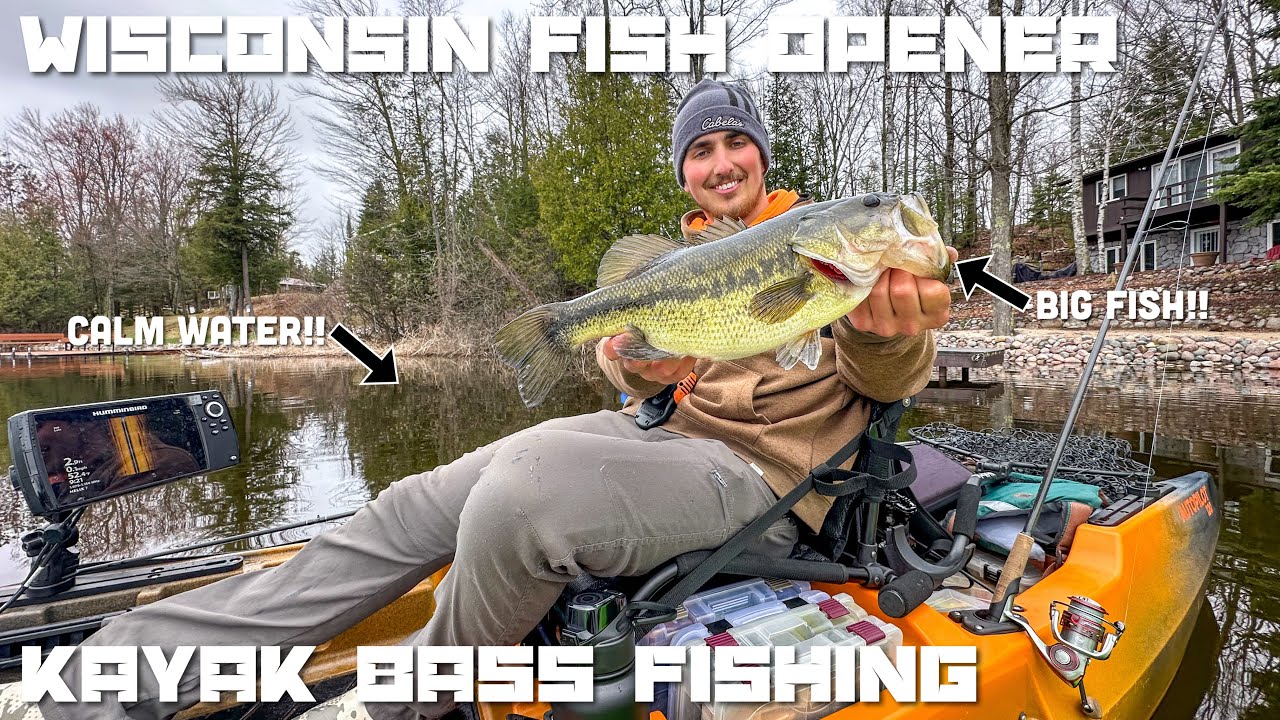
Many assume the Wisconsin fishing opener is a fixed date each year, but it actually falls on the first Saturday in May. In 2025, that day is Saturday, May 3, marking the start of the general inland fishing season at 12:01 a.m. This annual event draws thousands of anglers to lakes and rivers across the state, particularly in northern Wisconsin, where ice-out conditions can significantly influence fish behavior and success rates. On a related note, Best Fishing Line for Bass: Braid, Fluoro, or Mono for 2025 adds useful context
How the Opener Shapes Local Economies and Angler Traditions
The Wisconsin fishing opener is more than a date on the calendar; it is a cultural and economic engine for many communities. Small towns in the Northwoods see a surge in visitors, with bait shops, lodges, and restaurants reporting a sharp uptick in business. According to state tourism data, fishing contributes hundreds of millions of dollars annually to the state economy, and the opener weekend is one of the busiest periods. Anglers often plan months in advance, booking cabins and securing boat launches. The event also fosters a sense of shared tradition, as families and friends gather to kick off the season together. Social media lights up with photos of early catches, and local newspapers run previews on lake conditions and hot spots. For many, the opener is a rite of spring, a chance to reconnect with nature after a long winter. Public records covering this story are gathered in FISHING SEASONS – Wisconsin DNR
Clearing Up Common Misconceptions About the Opener
One frequent misunderstanding is that all fish species become fair game on the opener. In reality, catch-and-release bass fishing opens on May 3, 2025, but the regular bass season with harvest limits begins later. Similarly, hook-and-line trout fishing opens on the same day in most inland waters, but some streams have special regulations. Another myth is that the opener applies to all Wisconsin waters. The general inland season covers most lakes and rivers, but the Great Lakes and the Mississippi River have separate seasons and rules. Anglers also sometimes assume that a fishing license from another state is valid; it is not. A valid Wisconsin fishing license is required for anyone age 16 or older. The Wisconsin DNR offers a variety of licenses, including annual, short-term, and one-day options, which can be purchased online or at authorized vendors. Bag and size limits vary by water body and species, so checking the current regulations booklet is essential before heading out.
What to Expect for the 2025 Season and Beyond
The 2025 season runs through early March 2026 for most species. Ice-out conditions in spring 2025 will be a key factor; late ice melt can push fish into deeper, cooler water, making them harder to locate. The DNR recommends checking local lake reports and adjusting tactics accordingly. Walleye, northern pike, and bass are the primary targets, with walleye being the most sought-after. Anglers should also be aware of any emergency rule changes, such as those related to water levels or invasive species. Looking ahead, the DNR periodically reviews seasons and limits based on fish population surveys. For the latest updates, the DNR website is the best resource. The agency also offers a mobile app with real-time information on regulations, lake maps, and stocking data.
| Species | Opener Date (2025) | Notes |
|---|---|---|
| Walleye | May 3 | General inland season; check bag limits per water body. |
| Northern Pike | May 3 | Same as walleye; size limits may apply. |
| Bass (catch-and-release) | May 3 | Harvest season opens later (typically late June). |
| Trout (inland) | May 3 | Hook-and-line only; some streams have special regs. |
The Origins of the Wisconsin Fishing Opener and Its Evolution
The tradition of a statewide fishing opener dates back to the early 20th century, when state legislatures began standardizing seasons to protect fish populations during spawning. Wisconsin’s first Saturday in May opener has been in place for decades, though the exact date has shifted slightly over time. The 2025 opener continues this long-standing practice. The Wisconsin DNR, established in its current form in 1967, manages the season based on biological data and public input. The opener originally targeted walleye and northern pike, but over the years, other species were added as populations stabilized. The 2024 opener, held on May 4, saw strong participation despite variable weather. The 2025 season is expected to follow similar patterns, with the DNR emphasizing sustainable harvest. Anglers are encouraged to practice catch-and-release for larger fish to maintain healthy breeding stocks. The opener also serves as a reminder of the state’s commitment to conservation, with license fees funding habitat restoration and fish stocking programs.
Frequently Asked Questions
When does the 2025 Wisconsin fishing opener start?
The 2025 Wisconsin fishing opener begins at 12:01 a.m. on Saturday, May 3. This marks the start of the general inland fishing season for most species, including walleye, northern pike, and bass (catch-and-release).
What is the Wisconsin fishing opener best known for?
The opener is best known as the unofficial start of spring for anglers, drawing thousands to lakes and rivers across the state. It is a major tourism event, especially in northern Wisconsin, where communities rely on fishing-related spending.
How many fish can you keep on the Wisconsin fishing opener?
Bag limits vary by species and water body. For example, the daily bag limit for walleye is typically 3 fish, but some lakes have reduced limits. Always check the current DNR regulations for the specific water you plan to fish.
Where can I buy a Wisconsin fishing license for the 2025 opener?
Wisconsin fishing licenses can be purchased online through the DNR website, at authorized license agents (such as bait shops and sporting goods stores), or by phone. A valid license is required for anglers age 16 and older.
Is the Wisconsin fishing opener the same date every year?
No, the opener is not a fixed date. It is always the first Saturday in May, which means the date changes each year. In 2025 it is May 3; in 2024 it was May 4.
Preparing Your Gear and Tackle for the 2025 Opener
Success on the Wisconsin fishing opener often depends on preparation. Anglers should inspect rods, reels, and lines well before May 3. Cold water temperatures in early spring mean fish are less active, so light jigs and slow presentations often work best. Walleye anglers typically use jigs tipped with minnows or plastic baits, while northern pike enthusiasts favor large spoons or spinnerbaits. Bass fishermen targeting catch-and-release should consider soft plastics or crankbaits that mimic local forage. It is also wise to check the condition of your boat and trailer, as many launch ramps can be crowded during opener weekend. A pre-season checklist might include testing the trolling motor, checking the battery, and ensuring safety equipment like life jackets and fire extinguishers are onboard. Local bait shops are excellent sources for up-to-date advice on what is working on specific lakes.
Understanding Ice-Out Patterns and Their Impact on Fishing
Ice-out timing varies significantly across Wisconsin. Northern lakes in Vilas and Oneida counties may still have ice in early May, while southern waters are usually open. The Wisconsin DNR and local fishing clubs often publish ice-out dates for major lakes. In 2025, a late spring could push the opener into challenging conditions. When ice melts, water temperatures rise slowly, and fish may be scattered. Walleye often move to shallow spawning areas soon after ice-out, making them accessible to shore anglers. Northern pike are also active in weedy bays. However, if ice remains on some lakes, anglers may need to target rivers or smaller ponds that open earlier. Checking satellite imagery or local webcams can help determine which waters are fishable. The DNR also provides a lake conditions map on its website, updated weekly during spring.
Top Destinations for the 2025 Wisconsin Fishing Opener
While every lake has potential, some destinations are particularly popular for the opener. The Chippewa Flowage in Sawyer County is known for its walleye and musky populations. Lake Winnebago, the state’s largest inland lake, offers excellent walleye fishing and has a strong tradition of opener crowds. The Eagle River chain of lakes in Vilas County provides diverse fishing opportunities and ample public access. For those seeking a quieter experience, smaller lakes in the Chequamegon-Nicolet National Forest can be less pressured. The DNR’s lake mapping tool allows anglers to explore depth contours and structure before arriving. Many resorts offer opener packages that include lodging, boat rentals, and guided trips. Booking early is essential, as accommodations fill up months in advance. The 2025 opener is expected to draw strong participation, especially if weather conditions are favorable.
Conservation and Ethical Angling During the Opener
The Wisconsin fishing opener is also a time to reflect on conservation. The DNR emphasizes responsible angling practices, such as proper handling and release of fish. Using barbless hooks can reduce injury, and keeping fish in the water as much as possible improves survival rates. Anglers should also be aware of invasive species prevention. Cleaning boats and trailers before moving between water bodies is required by law. The DNR’s Clean Boats, Clean Waters program provides inspection stations at busy launches. Additionally, following bag and size limits helps maintain healthy fish populations for future seasons. The opener is a celebration of Wisconsin’s natural resources, and ethical behavior ensures that tradition continues. Many local fishing clubs organize clean-up events along shorelines during opener weekend, combining recreation with stewardship.
How Weather Patterns Influence Opener Success Rates
Weather plays a decisive role in the Wisconsin fishing opener. A cold front can shut down feeding activity, while stable conditions often produce better catches. In 2025, anglers should monitor forecasts closely in the days leading up to May 3. Wind direction matters too; a southwest wind typically warms shallow water and pushes baitfish toward shore, attracting game fish. Cloudy skies with light rain can be ideal, as fish feel more secure moving into shallows. Conversely, bright sun and calm winds often send fish deeper. Experienced anglers adjust their tactics accordingly, using deeper presentations on sunny days and targeting windblown shorelines when breezes pick up. The DNR’s weekly fishing reports, available online, provide real-time updates on water temperatures and fish activity across the state.
Planning Your Trip: Lodging, Launch Access, and Crowds
Securing accommodations for the Wisconsin fishing opener requires advance planning. Many popular Northwoods lodges and resorts book up by late winter. Public boat launches can also become congested, especially on larger lakes like Lake Winnebago and the Chippewa Flowage. Arriving early in the morning or launching later in the afternoon can help avoid queues. Some counties require launch permits, so checking local regulations beforehand is wise. For those who prefer shore fishing, state parks and county parks offer accessible spots along rivers and lakes. The DNR’s website lists public fishing areas and their amenities. Carpooling and sharing boats can reduce congestion and make the experience more enjoyable for everyone. Local bait shops often have the most current information on launch conditions and parking availability.
Targeting Specific Species: Tips for Walleye, Pike, and Bass
Walleye are the primary target for most anglers on the Wisconsin fishing opener. In early May, walleye are often in shallow water near spawning areas, such as rocky points and gravel bars. A jig and minnow combination fished slowly along the bottom is a classic presentation. Northern pike are also active, especially in weedy bays and along edges of emergent vegetation. Large spoons, spinnerbaits, or live suckers work well. For bass, which are catch-and-release only until late June, soft plastic worms or creature baits fished near cover can entice strikes. Water temperatures in the 50s Fahrenheit are typical, so fish metabolism is still low. Slow retrieves and subtle movements often outperform fast action. Matching lure size to local forage—such as shiners, perch, or crayfish—improves chances. Many anglers also carry a thermometer to identify warmer pockets of water where fish congregate.
Safety Considerations for the 2025 Opener
Safety should be a top priority during the Wisconsin fishing opener. Cold water temperatures in early May pose a serious risk of hypothermia if an angler falls overboard. Wearing a life jacket at all times is strongly recommended, especially for those fishing from small boats or kayaks. The DNR reminds anglers that water temperatures below 60°F can be dangerous. Checking weather forecasts before heading out and avoiding open water during storms is essential. Boaters should ensure their vessels are equipped with required safety gear, including a whistle or horn, navigation lights, and a throwable flotation device. Alcohol consumption on the water is a leading factor in boating accidents, so moderation is key. Many local sheriff’s departments conduct safety patrols during opener weekend. Anglers should also inform someone on shore of their plans and expected return time. Cell phone coverage can be spotty in remote areas, so a waterproof case and portable charger are useful additions to any tackle box.
How Technology Is Changing the Opener Experience
Modern technology has transformed how anglers approach the Wisconsin fishing opener. Fish finders with GPS mapping allow users to locate structure and schools of fish with precision. Many anglers now use smartphone apps to access real-time lake maps, weather radar, and DNR regulation updates. Social media groups dedicated to Wisconsin fishing share daily catch reports and hot spots, helping newcomers learn from experienced locals. The DNR’s mobile app provides instant access to license purchases, regulation summaries, and lake condition reports. Some anglers even use underwater cameras to observe fish behavior in clear water. However, technology is no substitute for local knowledge. Bait shop owners and veteran anglers still offer invaluable advice on which lures and techniques work best on specific waters. The 2025 opener will likely see a mix of high-tech gear and traditional methods, as anglers combine data with on-the-water experience to maximize their success.
What to Do If You Encounter Invasive Species on the Opener
Invasive species remain a significant concern for Wisconsin waterways. During the 2025 opener, anglers should be vigilant about zebra mussels, Eurasian watermilfoil, and spiny water fleas. The DNR requires boaters to remove all plants and animals from their equipment before leaving a launch. Draining live wells and bilges is mandatory. Anglers who spot an invasive species should report it to the DNR immediately. Some lakes have designated cleaning stations with high-pressure washers. Taking a few extra minutes to inspect your boat can prevent the spread of these harmful organisms. The opener is a great time to practice good stewardship, ensuring that future generations can enjoy the same fishing opportunities.
How Local Bait Shops and Guides Enhance the Opener Experience
Local bait shops are the heart of many Wisconsin fishing communities. On the 2025 opener, these businesses provide not only bait and tackle but also critical local knowledge. Shop owners often know which lakes are producing and what lures are working. Many also sell licenses and offer advice on launch conditions. Hiring a guide for the opener can be a worthwhile investment, especially for those unfamiliar with a particular lake. Guides provide boats, gear, and expertise, increasing the chances of a successful trip. They also teach techniques that anglers can use on their own later. The opener is a busy time for guides, so booking early is recommended. Supporting these local businesses helps sustain the economy of small towns that depend on fishing tourism.