
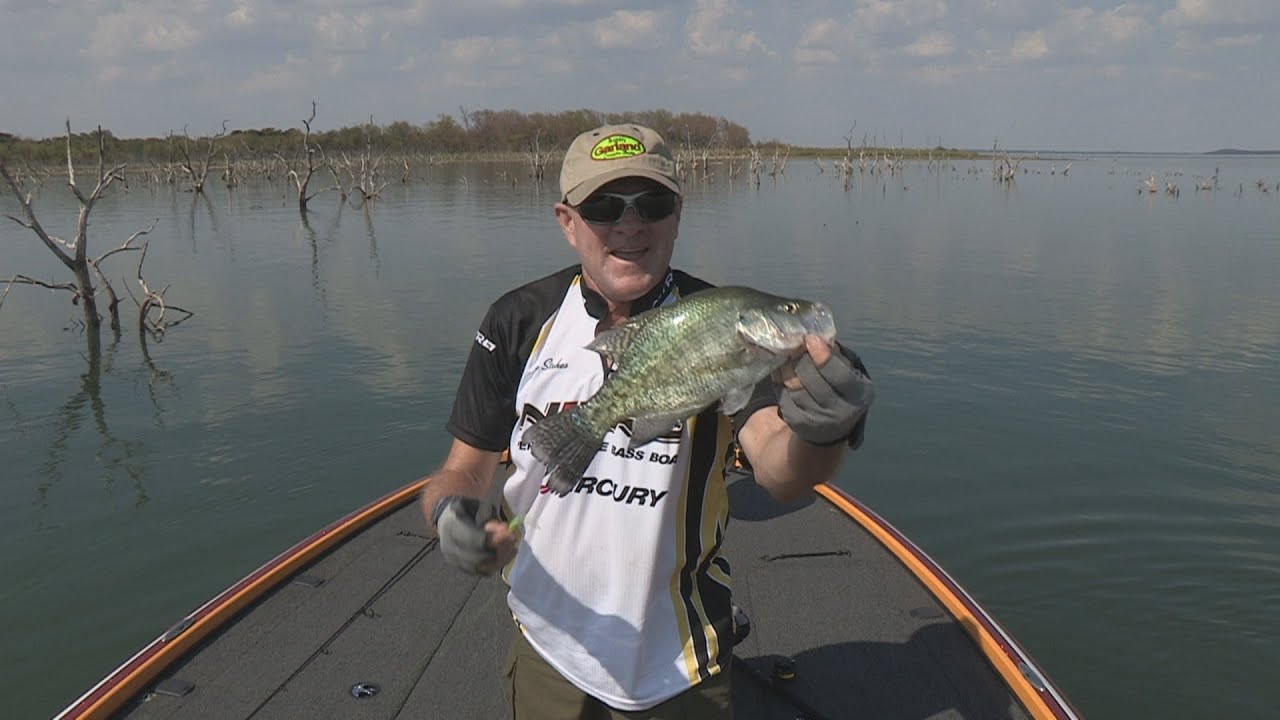
Where can you find a reliable fishing spot near Dallas with a chance at trophy-sized catfish? Ray Roberts Lake, a 29,350-acre reservoir about 50 miles north of Dallas, offers exactly that. Created by the U.S. Army Corps of Engineers and opened to the public in 1988, this lake has become a favorite for anglers targeting largemouth bass, crappie, and blue catfish.
From Dam Construction to Public Fishing: A Timeline of Ray Roberts Lake
The story of Ray Roberts Lake begins with flood control needs in the Trinity River basin. The U.S. Army Corps of Engineers started building Ray Roberts Dam in 1980, and construction wrapped up in 1987. The lake officially opened for recreation, including fishing, the following year in 1988. Since then, it has grown into a well-managed fishery with regular surveys and regulations. A reference profile of the subject is maintained on Fishing Ray Roberts Lake – Texas Parks & Wildlife Department
In the early years, the Texas Parks and Wildlife Department stocked the lake with various species to establish a balanced ecosystem. Largemouth bass were a priority, and a 14- to 21-inch slot limit was introduced to protect spawning fish. This regulation allows anglers to keep bass under 14 inches or over 21 inches, while those in the slot must be released. The rule has helped maintain a healthy bass population.
By the 1990s, Ray Roberts Lake gained a reputation for blue catfish. Surveys showed that the lake’s deep channels and abundant forage supported fast growth. Some blue catfish exceeded 50 pounds, drawing tournament anglers from across the state. The Corps and TPWD continued to monitor water levels and fish populations, adjusting regulations as needed.
The lake’s 146 miles of shoreline provide ample bank access, especially within Ray Roberts Lake State Park. The park features fishing piers and designated bank fishing areas, making the lake accessible to shore anglers as well as boaters.
Today, the lake hosts regular fishing tournaments, particularly for bass and catfish. The slot limit remains in effect, and anglers are encouraged to check current regulations before heading out. Water levels fluctuate seasonally, influenced by rainfall and Corps management, which can affect fishing conditions.
How Fishing at Ray Roberts Lake Impacts Anglers and the Local Community
Fishing at Ray Roberts Lake draws a diverse crowd, from weekend hobbyists to competitive tournament participants. The lake’s proximity to the Dallas-Fort Worth metroplex makes it a convenient escape for urban anglers. Many families visit the state park for camping and fishing, contributing to local tourism in nearby Pilot Point and other small towns.
Tournaments held on the lake generate economic activity. Bass tournaments often see dozens of boats launching from public ramps, and participants spend money on fuel, bait, and lodging. Catfish tournaments, especially those targeting blue catfish, have grown in popularity. The chance to catch a fish over 50 pounds is a strong draw.
Local fishing guides report that the lake’s consistent management keeps fish populations stable. Anglers appreciate the slot limit because it protects larger bass, allowing them to spawn and sustain the fishery. The hybrid striped bass, introduced to control shad populations, also provides exciting action for those trolling or casting.
Social media groups and online forums buzz with reports of recent catches. Anglers share tips on which coves are producing crappie in spring or where blue catfish are schooling in summer. This community knowledge helps newcomers learn the lake quickly. The TPWD website and the Corps’ lake information page offer official updates on water levels and access conditions.
For many, fishing at Ray Roberts Lake is more than a hobby—it’s a way to connect with nature and unwind. The lake’s scenic setting, with wooded shorelines and open water, provides a peaceful backdrop. Whether fishing from a boat or a pier, anglers find a welcoming environment that encourages repeat visits.
Common Misconceptions About Fishing at Ray Roberts Lake, Clarified
One common misconception is that the slot limit means you cannot keep any bass. In reality, the 14- to 21-inch slot allows you to keep bass under 14 inches or over 21 inches. This regulation is designed to protect the most productive spawning fish while still allowing harvest of smaller or trophy-sized fish.
Another myth is that the lake is too crowded to enjoy. While weekends can be busy, especially during tournaments, the lake’s size—29,350 acres—means there are plenty of quiet spots. Weekday fishing often offers solitude, and the state park’s fishing piers provide uncrowded bank access during off-peak hours.
Some anglers believe that blue catfish are only found in deep water. While they do inhabit deep channels, they also move into shallower areas to feed, especially at night or during low-light conditions. Using cut bait near creek channels can yield good results even in moderate depths.
There is also a misconception that the lake is unsafe for small boats due to wind. Ray Roberts Lake can get choppy, but many coves and protected areas offer calm conditions. Checking a weather forecast before launching is always wise, but the lake is generally manageable for boats of all sizes with proper caution.
Finally, some think that fishing is only good in spring. In truth, Ray Roberts Lake offers year-round opportunities. Crappie bite well in spring and fall, bass are active in warmer months, and catfish can be caught throughout the year. Winter fishing for white bass and hybrid striped bass can be productive when you locate schools near the dam.
Why Ray Roberts Lake Matters for North Texas Anglers and Beyond
For anglers in north Texas, Ray Roberts Lake is a vital resource. It provides a large, well-managed fishery within an hour’s drive of Dallas. The lake’s diverse species—largemouth bass, crappie, catfish, white bass, and hybrid striped bass—mean there is something for every angler, regardless of target species.
The lake’s management by the Corps and TPWD sets an example of how public reservoirs can balance recreation, flood control, and conservation. The slot limit for bass is a science-based approach that has proven effective elsewhere in Texas. Regular surveys ensure that regulations remain appropriate for current fish populations.
Ray Roberts Lake also serves as an educational site. The state park offers programs on fishing techniques and aquatic ecology. Schools and youth groups often visit for field trips, introducing a new generation to the sport. This outreach helps sustain interest in fishing and conservation.
From a regional perspective, the lake supports a network of bait shops, marinas, and guide services. These businesses rely on a healthy fishery and consistent visitation. The economic ripple effect extends to restaurants, hotels, and gas stations in surrounding communities.
For out-of-state anglers, Ray Roberts Lake is a destination worth considering. Its reputation for trophy blue catfish puts it on the map for serious catfish enthusiasts. Combined with the amenities of the state park and the proximity to Dallas, it offers a complete fishing trip experience.
| Species | Typical Size | Best Season | Regulation |
|---|---|---|---|
| Largemouth Bass | 1-5 lbs | Spring, Fall | 14-21 in slot limit |
| Blue Catfish | 10-50+ lbs | Year-round | No slot, daily bag 25 |
| Crappie | 0.5-1.5 lbs | Spring, Fall | Daily bag 25 |
| White Bass | 0.5-2 lbs | Spring, Winter | Daily bag 25 |
| Hybrid Striped Bass | 2-8 lbs | Spring, Fall | Daily bag 5 |
Frequently Asked Questions
Where is Ray Roberts Lake located?
Ray Roberts Lake is in north Texas, about 50 miles north of Dallas, near the town of Pilot Point. It spans parts of Denton and Cooke counties and is accessible via U.S. Highway 377 and Farm to Market Road 455.
How many acres does Ray Roberts Lake cover?
The lake covers 29,350 acres with 146 miles of shoreline. It was created by the U.S. Army Corps of Engineers and opened for recreation in 1988.
Is the slot limit for largemouth bass still in effect?
Yes, the 14- to 21-inch slot limit remains in effect. Bass between 14 and 21 inches must be released immediately. This regulation helps protect spawning fish and maintain a healthy population.
Are there any rumors about dangerous fish in the lake?
The lake is home to common game fish like bass, crappie, and catfish.
How does fishing at Ray Roberts Lake differ from nearby Lake Lewisville?
Ray Roberts Lake is generally less developed and has clearer water than Lake Lewisville. It also has a slot limit for bass, while Lewisville does not. Ray Roberts is known for larger blue catfish, whereas Lewisville offers more diverse urban fishing opportunities.
Best Techniques for Catching Blue Catfish at Ray Roberts Lake
Blue catfish are the star attraction for many anglers at Ray Roberts Lake. These fish can grow to impressive sizes, with some exceeding 50 pounds. To target them effectively, many experienced anglers use cut bait, such as shad or skipjack, fished on the bottom. Fresh bait often outperforms frozen options, so catching your own shad with a cast net is a common practice.
Finding the right location is crucial. Blue catfish often congregate in deep channels, especially during the heat of summer. Look for areas where the depth drops sharply near creek channels or the old riverbed. Using a fish finder can help locate schools of catfish. Drifting with the current while bouncing bait along the bottom is another productive technique.
Night fishing can be particularly rewarding. Blue catfish move into shallower waters after dark to feed. Setting up near points or flats adjacent to deep water can yield good results. Many anglers use rod holders and wait for a strong run. Heavy tackle is recommended because these fish fight hard and can break lighter gear.
Some local guides recommend chumming to attract catfish. Chum bags filled with soured grain or fish parts can draw fish to your area. However, check regulations, as chumming may be restricted in certain zones. Patience is key—blue catfish can be finicky, but when they bite, the action can be fast.
Spring Crappie Fishing: Where to Find Them and What to Use
Spring is prime time for crappie at Ray Roberts Lake. As water temperatures rise into the 60s, crappie move into shallow coves and creek arms to spawn. They often relate to submerged brush, fallen trees, or docks. The state park area and the upper ends of creeks like Big Creek and Isle du Bois are popular spots.
Anglers typically use light tackle for crappie. A 6- to 7-foot ultralight rod with 4- to 6-pound test line is common. Small jigs tipped with minnows or soft plastics work well. Colors like chartreuse, white, and pink are favorites. Trolling small crankbaits can also be effective when fish are scattered.
Spider rigging is a technique used by many serious crappie fishermen. This involves using multiple rods spread out from the boat, each with a jig or minnow at different depths. It covers water efficiently and can locate fish quickly. Once a school is found, anglers often switch to vertical jigging or casting.
After the spawn, crappie move to deeper water, often suspending near structure in 15 to 25 feet. During summer, fishing early morning or late evening is best. The lake’s crappie population is healthy, with many fish in the 10- to 14-inch range. Checking TPWD survey reports can give insight into current conditions.
Largemouth Bass Tactics: Working the Slot Limit to Your Advantage
The slot limit at Ray Roberts Lake shapes how anglers approach bass fishing. Since bass between 14 and 21 inches must be released, the focus is on catching either smaller fish for the table or trophy bass over 21 inches. This encourages catch-and-release of mid-sized fish, which helps maintain the population.
For trophy bass, many anglers target areas with deep cover near spawning flats in spring. Flipping heavy jigs or Texas-rigged worms into thick vegetation can produce big fish. During summer, bass often hold on deep points and ledges. Deep-diving crankbaits and Carolina rigs are effective for probing these areas.
Topwater lures work well during low-light periods. Early morning and late evening, try walking baits or buzzbaits along the edges of grass beds. The lake has abundant hydrilla and coontail moss, which provide excellent cover. Fishing the edges of these weed lines can yield strikes from both keeper-sized and trophy bass.
Many local anglers practice catch and release even for fish outside the slot. This helps sustain the fishery for future seasons. The lake’s bass population is considered stable, with good numbers of fish in the 2- to 4-pound range. Occasional catches over 8 pounds are reported, especially in spring.
Winter Fishing Opportunities: White Bass and Hybrid Striped Bass
Winter at Ray Roberts Lake may slow down some species, but it opens up excellent opportunities for white bass and hybrid striped bass. These fish school up near the dam and in the main lake, where they chase shad in deeper water. Trolling with crankbaits or spoons can be highly effective when you locate the schools.
White bass often congregate in large numbers, providing fast action for anglers who find them. Look for birds diving on the water, as they often indicate baitfish being pushed to the surface. Casting small jigs or spinners into these feeding frenzies can result in multiple catches. Hybrid striped bass, which are a cross between white bass and striped bass, grow larger and fight harder.
Vertical jigging is another productive winter technique. Using heavy spoons or blade baits, drop your lure to the depth where fish are holding and jig it sharply. Many anglers use electronics to mark fish and adjust their presentation accordingly. The cold water means fish are less active, so a slow, subtle retrieve often works best.
Winter fishing also offers solitude. With fewer boats on the water, you can explore areas that are crowded in warmer months. The lake’s scenic winter landscape, with bare trees and crisp air, adds to the experience. Just dress warmly and watch for changing weather conditions.
Bank Fishing Options: Piers and Shoreline Access Points
Not everyone has a boat, but Ray Roberts Lake still offers excellent bank fishing opportunities. The state park features two fishing piers that extend into the lake, providing access to deeper water without a boat. These piers are popular for crappie and catfish, especially during spring and fall.
Shoreline access is also available along the dam area and at several Corps-managed parks. The Isle du Bois unit has designated bank fishing spots with parking nearby. Anglers often use slip bobbers or bottom rigs to target catfish from shore. Night fishing from the bank is allowed in most areas, though a park entrance fee may apply.
For those targeting bass from shore, focus on points and coves with rocky banks. Casting spinnerbaits or soft plastics parallel to the bank can produce strikes. The lake’s clear water means you should use lighter line and natural colors. Bank fishing requires patience, but the lake’s healthy fish population makes it worthwhile.
Local bait shops near the lake sell live minnows, worms, and prepared baits. They also provide current information on which areas are producing. Many anglers find that the best bank fishing occurs during weekdays when pressure is lower. Checking the TPWD website for any closures or special regulations before your trip is always a good idea.