
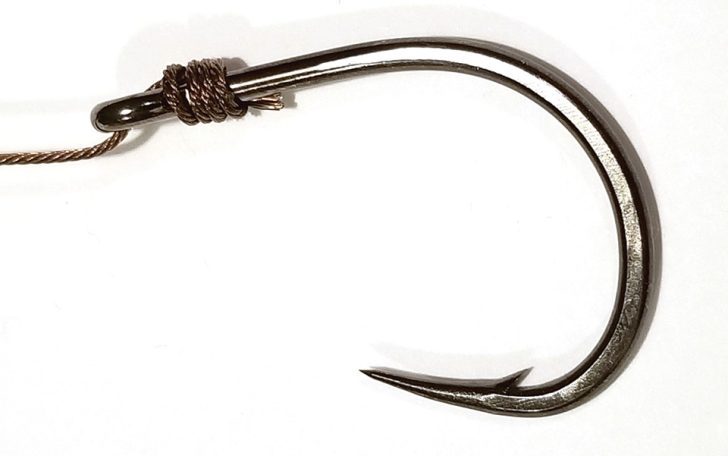
Many anglers assume that a missed strike means the fish simply wasn’t hungry. In reality, short-striking fish often nip at bait without taking the main hook. A stinger hook addresses this by trailing behind the primary hook, increasing the chance of a solid connection. This small but effective rig has been part of angling for decades, yet its design, legality, and best uses remain misunderstood by many.
How Stinger Hooks Are Made and Why They Work
A stinger hook is a secondary hook attached to the main hook or lure via a short leader, typically made of wire or fluorocarbon. The leader length varies from half an inch to several inches, depending on the target species and bait type. The trailing hook sits behind the main hook, positioned to catch fish that strike at the tail end of the bait. This setup is especially effective with soft plastic baits, jerkbaits, and live bait rigs, where fish often attack from behind. Background on stinger hooks is documented in STING'R HOOK – Northland Fishing Tackle
The mechanics are straightforward. When a fish bites the bait but misses the main hook, the stinger hook is positioned to catch the fish’s mouth or jaw as it turns away. This increases the hook-up ratio significantly, particularly for species known for short-striking behavior. Pike, muskie, and striped bass are classic examples, but the technique also works for walleye, trout, and even panfish when using micro-stinger hooks.
Manufacturing stinger hooks involves precision. Pre-tied versions are available from tackle companies, but many anglers prefer to tie their own using a treble hook or a single hook with a split ring. The leader material must be strong enough to withstand the fish’s teeth—pike and muskie require wire leaders, while fluorocarbon works for bass and trout. The connection to the main hook is usually made with a loop knot or a small split ring, allowing the stinger to move freely.
The term “stinger” appears in angling literature as early as the mid-20th century, according to some sources. Early references describe it as a modification for live bait rigs, where a small hook was added behind a larger hook to catch fish that nibbled the bait’s tail. Over time, the design evolved into the modern stinger hook used in both freshwater and saltwater fishing.
Recent innovations include micro-stinger hooks for panfish and trout, which use ultra-fine wire and tiny hooks to avoid spooking wary fish. These are often used with small soft plastics or live worms. Another development is the use of stinger hooks in competitive bass fishing, where finesse techniques demand precise hook placement. In 2023, stinger hooks gained attention in tournament circles for their ability to convert light bites into landed fish.
Regional Popularity and Regulatory Differences
Stinger hooks are used worldwide, but their popularity varies by region. In North America, they are a staple for pike and muskie anglers in the Great Lakes region and Canada. In Europe, they are common in predator fishing for pike and zander. In Australia, anglers use them for barramundi and Murray cod. The common thread is that stinger hooks excel wherever fish are aggressive but cautious about taking a full bait.
Regulations differ significantly. Some U.S. states restrict stinger hook use in catch-and-release zones, where single hooks are required to reduce fish injury. For example, in certain trout streams in Colorado and Montana, only single-point hooks are allowed, which can limit stinger hook configurations. In contrast, states like Minnesota and Wisconsin allow stinger hooks for most species, provided the total number of hooks does not exceed the daily limit. Anglers should always check local regulations before rigging.
In Canada, stinger hooks are generally permitted for pike and muskie, but some provinces have specific rules about hook size and barb type. In Europe, the use of stinger hooks is often regulated under broader hook restrictions. For instance, in the UK, the use of multiple hooks on a single trace is allowed for pike fishing, but the total hook gap must not exceed a certain size. Anglers in Sweden and Finland face similar rules, with an emphasis on barbless hooks for catch-and-release.
The reception among anglers is mixed. Many praise stinger hooks for reducing missed strikes, especially when fishing with large lures or live bait. Others criticize them for increasing snagging on underwater structures like weeds and rocks. The trade-off is clear: more hook-ups but more hang-ups. Experienced anglers often adjust the leader length to balance these factors, using shorter leaders in heavy cover and longer leaders in open water.
Demographically, stinger hooks are most popular among experienced predator anglers. Beginners may find them fiddly to tie and prone to tangling. However, pre-tied options have lowered the barrier to entry. Online forums and YouTube tutorials have also helped spread knowledge about proper rigging techniques. The result is a steady growth in stinger hook use among recreational anglers, particularly those targeting pike and muskie.
Real-World Impact: From Missed Strikes to Tournament Wins
The practical impact of stinger hooks is most evident in catch rates. Anglers who switch to a stinger hook often report a noticeable increase in hook-ups, especially on days when fish are finicky. For example, during a slow bite on a pike lake, adding a stinger hook can turn a few follows into solid connections. This is because pike and muskie frequently strike at the tail of a lure, missing the main hook entirely.
In competitive bass fishing, stinger hooks have found a niche in finesse techniques. Drop-shot rigs and shaky heads sometimes incorporate a small stinger hook to catch bass that nip at the bait’s tail. While not as common as in predator fishing, the technique has gained traction among tournament anglers looking for an edge. In 2023, several top finishers in major bass tournaments credited stinger hooks for converting light bites into weigh-in fish.
Audience reaction on social media and fishing forums is largely positive. Anglers share photos of double-hooked fish and discuss leader lengths and hook sizes. However, there is also a vocal minority that argues stinger hooks are unnecessary or even unethical, claiming they cause more harm to fish. This debate often centers on catch-and-release mortality, with some studies suggesting that multiple hooks increase handling time and injury. The scientific consensus is not clear-cut, but many conservation-minded anglers opt for single hooks when possible.
Cultural relevance extends beyond fishing. The term “stinger” has entered the broader angling lexicon, appearing in product names, YouTube channels, and even fishing video games. The concept of a trailing hook has inspired similar innovations in other types of fishing, such as the “stinger rig” for saltwater trolling. This cross-pollination shows how a simple idea can influence multiple disciplines.
One notable example of real-world impact is the use of stinger hooks in muskie fishing. Muskies are notoriously difficult to hook due to their bony mouths and short-striking behavior. Many dedicated muskie anglers consider a stinger hook essential, especially when using large bucktail spinners or jerkbaits. The difference between a follow and a hook-up can be the addition of a single stinger hook. This has led to a thriving market for pre-tied stinger rigs specifically designed for muskie.
What Is Confirmed and What Remains Unverified About Stinger Hooks
Several facts about stinger hooks are well-established. They increase hook-up ratios for short-striking fish. They are commonly used with soft plastics, jerkbaits, and live bait. They have been part of angling since at least the mid-20th century. They are available pre-tied or can be custom-made. These points are supported by decades of angling literature and countless anecdotal reports.
What remains unverified or disputed includes the exact impact on fish mortality. While some studies suggest multiple hooks increase injury, others find no significant difference when hooks are barbless and handled carefully. The debate is ongoing, and definitive data is scarce. Another unverified claim is that stinger hooks are always legal. In reality, regulations vary widely, and some areas restrict their use. Anglers should not assume they are allowed everywhere.
The effectiveness of micro-stinger hooks for panfish is also not thoroughly studied. While many anglers report success, there is no large-scale scientific research confirming their superiority over standard hooks. Similarly, the claim that stinger hooks reduce missed strikes by a specific percentage is anecdotal. No controlled experiments have quantified the exact improvement.
Another area of uncertainty is the optimal leader length. While general guidelines exist, the best length depends on the bait, species, and fishing conditions. Some anglers swear by a 2-inch leader, while others prefer 4 inches or more. There is no one-size-fits-all answer, and experimentation is often necessary.
Finally, the long-term impact of stinger hooks on fish populations is unknown. In heavily fished waters, the increased hook-up rate could lead to higher catch-and-release mortality if not managed properly. However, this is speculative. Conservation efforts often focus on gear restrictions, but stinger hooks are rarely singled out in management plans.
| Aspect | Confirmed | Unverified/Disputed |
|---|---|---|
| Effectiveness | Increases hook-ups for short-striking fish | Exact percentage improvement not quantified |
| History | Used since mid-20th century | Exact origin date unclear |
| Legality | Varies by region; some restrictions exist | Not universally legal; check local laws |
| Fish mortality | Multiple hooks may increase injury | No definitive study on stinger hooks specifically |
| Optimal leader length | General guidelines exist | No universal best length; varies by conditions |
Frequently Asked Questions
Why do fish short-strike and how does a stinger hook help?
Fish short-strike when they hit the tail of the bait instead of the head, often because they are cautious or the bait is large. A stinger hook trails behind the main hook, positioned to catch the fish’s mouth as it bites the rear of the bait, converting a missed strike into a solid hook-up.
What is a stinger hook and how is it different from a regular hook?
A stinger hook is a secondary hook attached to a main hook or lure via a short leader. Unlike a regular single hook, it is designed to catch fish that strike at the bait’s tail. It is typically smaller than the main hook and can be a treble or single hook.
Are stinger hooks illegal in some states, and is that a rumor or fact?
It is a fact that some U.S. states restrict stinger hooks, especially in catch-and-release zones where single hooks are required. However, rumors that they are banned everywhere are false. Anglers should verify local regulations before using them.
Is the use of stinger hooks still popular among modern anglers?
Yes, stinger hooks remain popular, especially among pike, muskie, and bass anglers. Recent innovations like micro-stinger hooks for panfish have expanded their appeal. They are widely available pre-tied and continue to be a topic of discussion in fishing communities.
How does a stinger hook differ from a trailer hook?
A stinger hook is typically attached directly to the main hook via a short leader, while a trailer hook is often attached to a lure’s split ring or hook hanger. Both serve similar purposes, but stinger hooks are more common with soft plastics and live bait, whereas trailer hooks are often used with hard baits.
How to Properly Rig and Fish with a Stinger Hook
Rigging a stinger hook correctly is essential for maximizing its effectiveness. The most common method involves attaching the stinger hook to the eye of the main hook using a short piece of leader material. The leader should be tied with a loop knot to allow free movement, or secured with a small split ring. The length of the leader depends on the bait size and target species. For soft plastic baits, a leader of 1 to 2 inches is typical, while for larger live baits, 3 to 4 inches may be better.
When fishing with a stinger hook, the presentation matters. The stinger should trail naturally behind the bait, not hang at an awkward angle. To achieve this, some anglers insert the stinger hook into the bait itself, burying the point slightly to avoid snagging. This technique works well with soft plastics like worms and swimbaits. For live bait, the stinger is often left exposed, dangling behind the minnow or leech.
Retrieve speed and action also influence success. A slow, steady retrieve allows the stinger to trail behind the bait, mimicking a natural swimming motion. Pausing or twitching the rod can cause the stinger to flutter, attracting fish that are following the lure. In contrast, a fast retrieve may cause the stinger to spin or tangle, reducing its effectiveness.
Another important consideration is hook size. The stinger hook should be smaller than the main hook, typically one to two sizes down. For example, if the main hook is a size 4, a size 6 or 8 stinger is appropriate. Using a hook that is too large can cause the stinger to interfere with the bait’s action or increase snagging. Conversely, a hook that is too small may not penetrate the fish’s mouth effectively.
Tangling is a common frustration. To minimize tangles, keep the leader short and use a stiff material like fluorocarbon or wire. Some anglers add a small bead or swivel between the main hook and stinger to reduce line twist. When casting, ensure the stinger is not wrapped around the main line. A simple check before each cast can save time and frustration.
Stinger Hooks in Saltwater and Ice Fishing Applications
While stinger hooks are most associated with freshwater predator fishing, they also have applications in saltwater. Anglers targeting striped bass, bluefish, and redfish sometimes use stinger hooks with soft plastics or live bait. The same principle applies: fish that short-strike or nip at the tail of the bait are more likely to be hooked. In saltwater, wire leaders are often necessary to withstand sharp teeth.
For ice fishing, stinger hooks have gained popularity among anglers targeting walleye and perch. Small jigs tipped with a minnow or wax worm can be enhanced with a micro-stinger hook. The stinger is attached to the jig hook with a short piece of fluorocarbon, allowing it to trail behind the bait. This setup is particularly effective when fish are light-biting and only mouth the tail of the bait.
Ice fishing conditions require careful rigging. The stinger must be small enough not to impede the jig’s action. Many ice anglers use size 10 or 12 hooks for the stinger. The leader should be no longer than 1 inch to prevent tangling in the ice hole. Some anglers also use a small split shot to keep the stinger close to the jig.
The versatility of stinger hooks across different environments underscores their value. Whether in open water, saltwater, or through the ice, the basic concept remains the same: a trailing hook that catches fish that miss the main hook. As more anglers experiment with stinger hooks, new applications continue to emerge, from fly fishing for pike to trolling for tuna.